by The P J Livesey Team | Jun 4, 2025
The rise of psychiatry
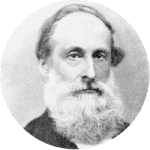
Daniel Hack Tuke, became the first of his family to enter university and became a medical doctor at The Retreat. The old ideas of ‘moral treatment’ began to give way to a more medically orientated model. Although The Retreat became steadily more conventional in its treatment methods, it never lost its reputation for humane and caring treatment of patients, who were now a mixture of Quakers and non-Quakers.
by The P J Livesey Team | Jun 4, 2025
Developing its reputation
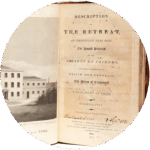
The Retreat’s revolutionary humane approach to mental health care was attracting visitors from around the world, with the publication of ‘Description of The Retreat’ by William’s grandson Samuel Tuke. This book was enormously influential on mental health practice and is referred to in modern-day textbooks on the history of psychiatry. The Retreat itself was growing and in the 1820s opened its doors to the first non-Quaker patients.
by The P J Livesey Team | Jun 3, 2025
The early Retreat
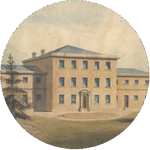
The Retreat, which opened its doors in 1796, was never meant to be a hospital in the conventional sense. William Tuke tried to establish a ‘home from home’ for Friends, where the local doctor visited but did not hold the ultimate authority for treatment. The Retreat was a community, rather like an extended family where patients and staff lived together.
by The P J Livesey Team | Jun 3, 2025
One mans vision
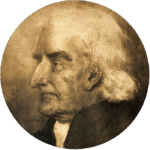
The Retreat’s history began on 15th March 1790 when a 42 year old Quaker widow, called Hannah Mills, was admitted to York Lunatic Asylum and died by 29th April 1790. Her death was unexplained, but Friends discovered that during her stay it is very likely she was treated inhumanely and cruelly. William Tuke and his family vowed that never again should any Quaker be forced to endure such treatment.