by The P J Livesey Team | Nov 11, 2019
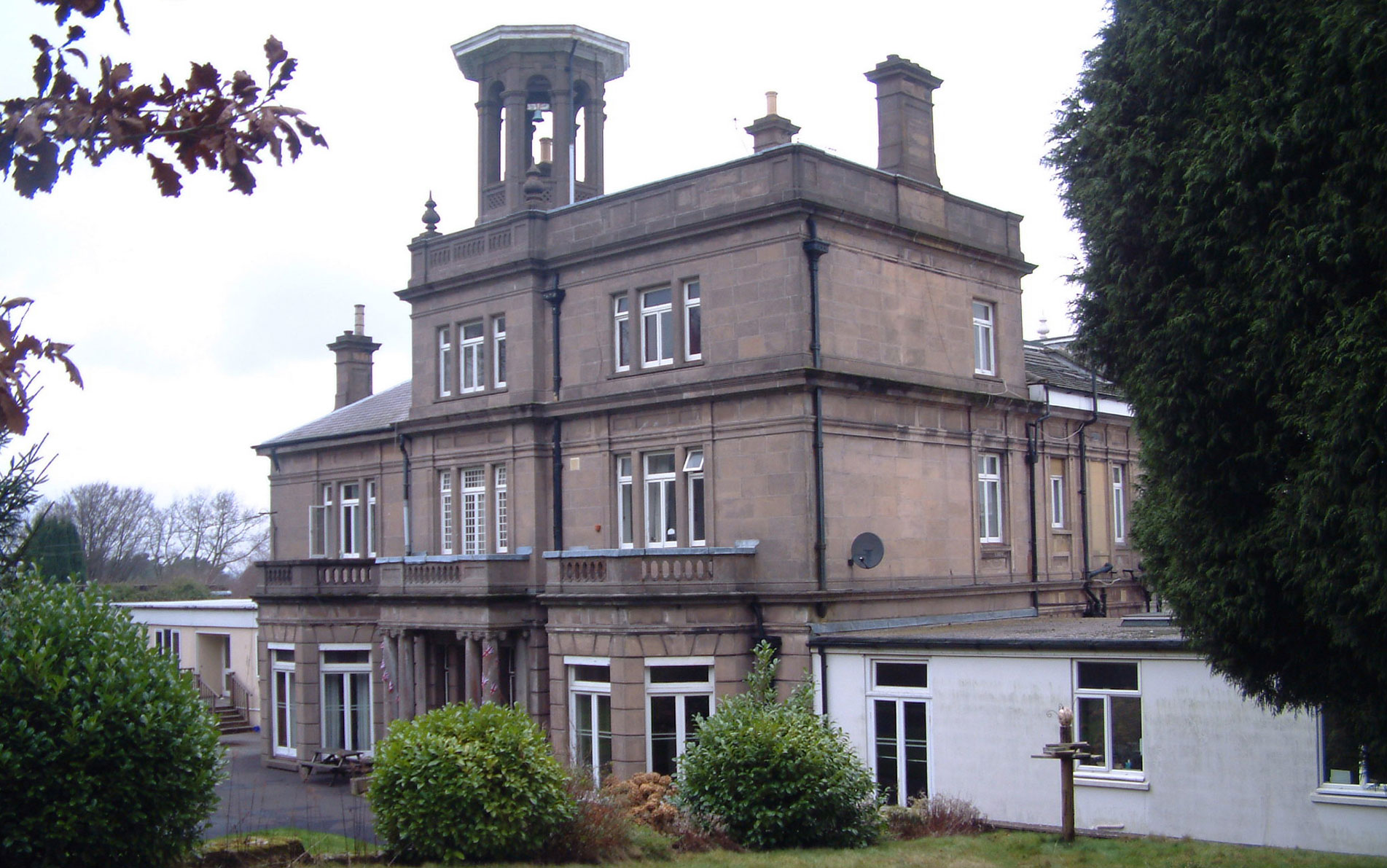
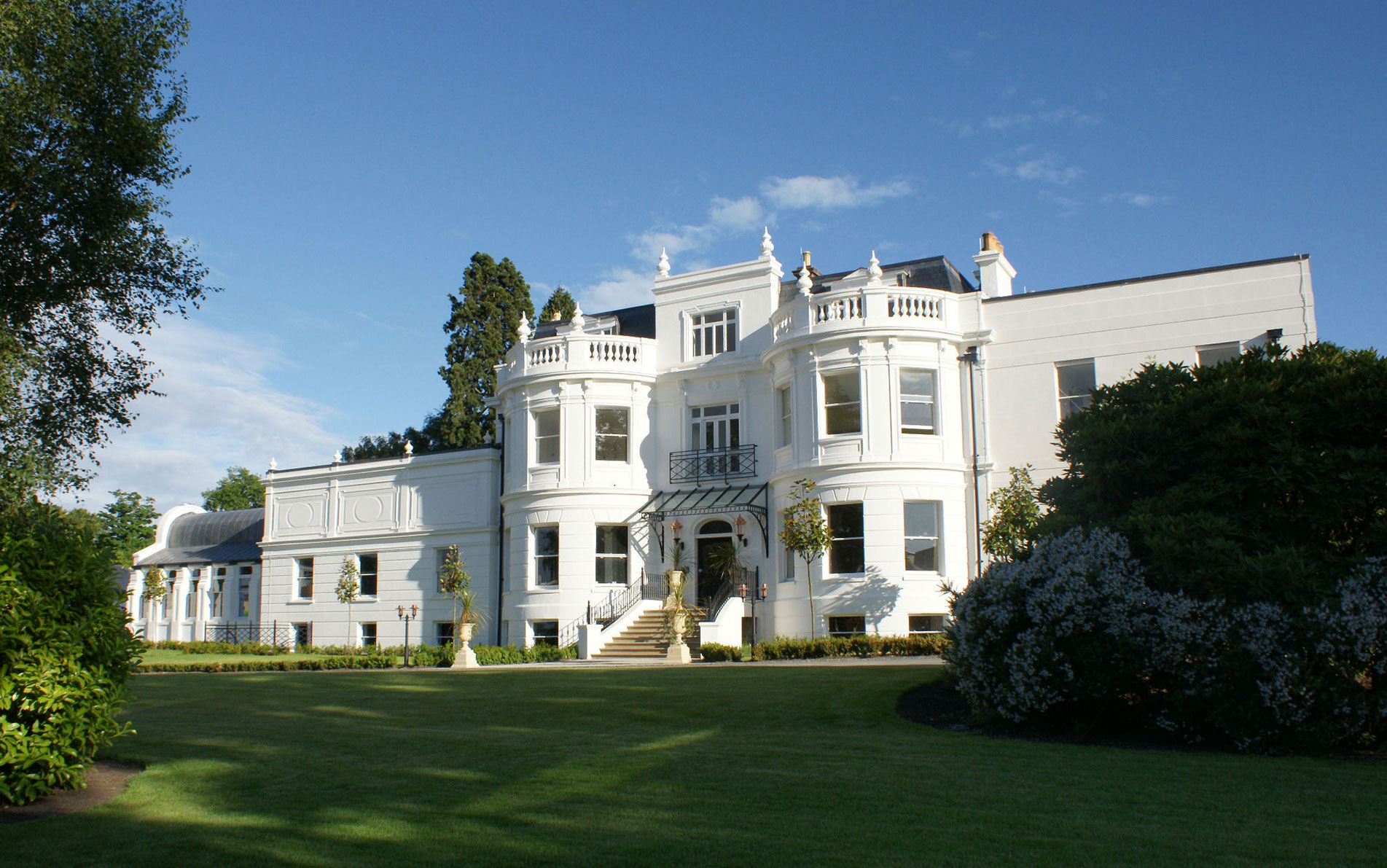
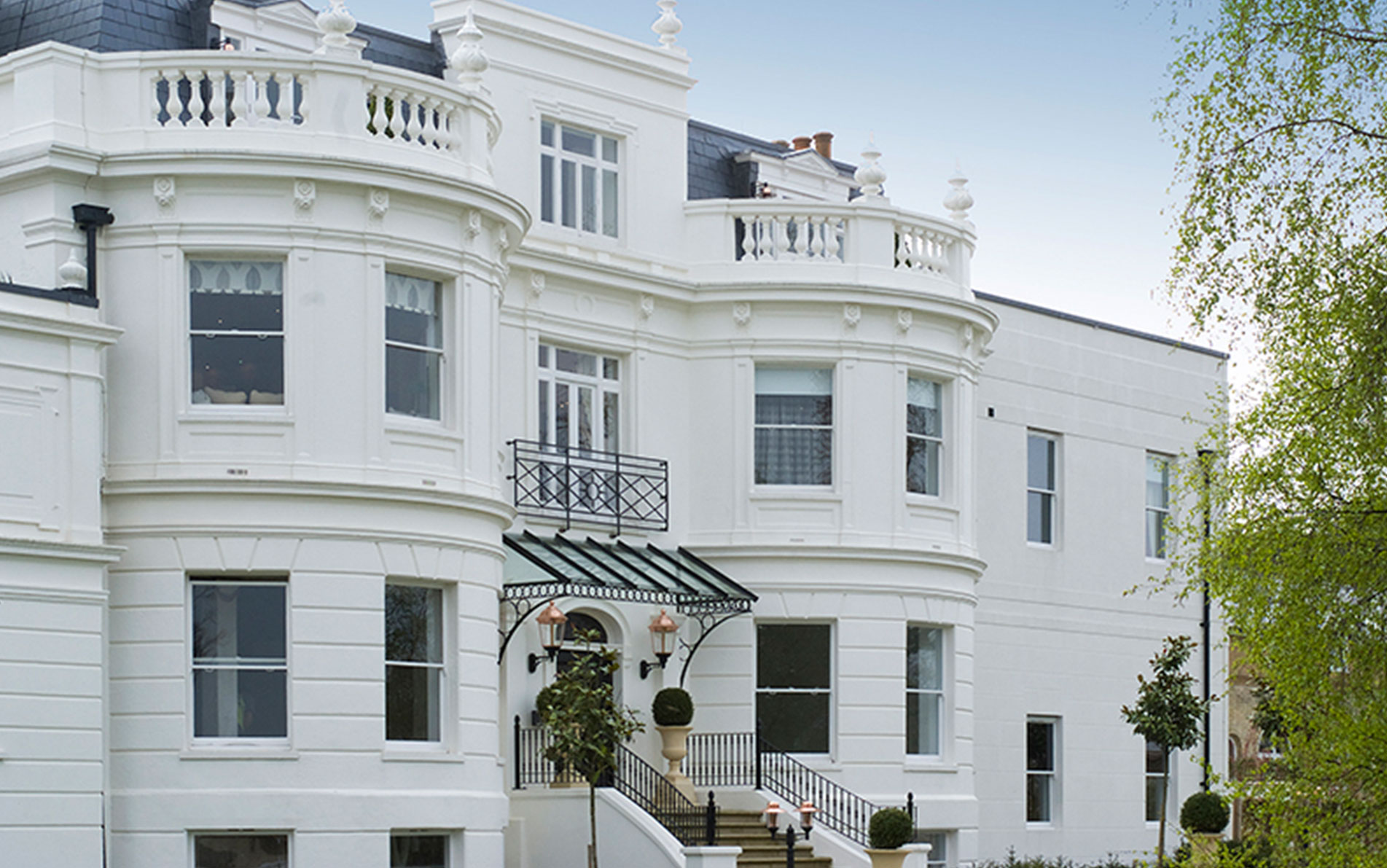
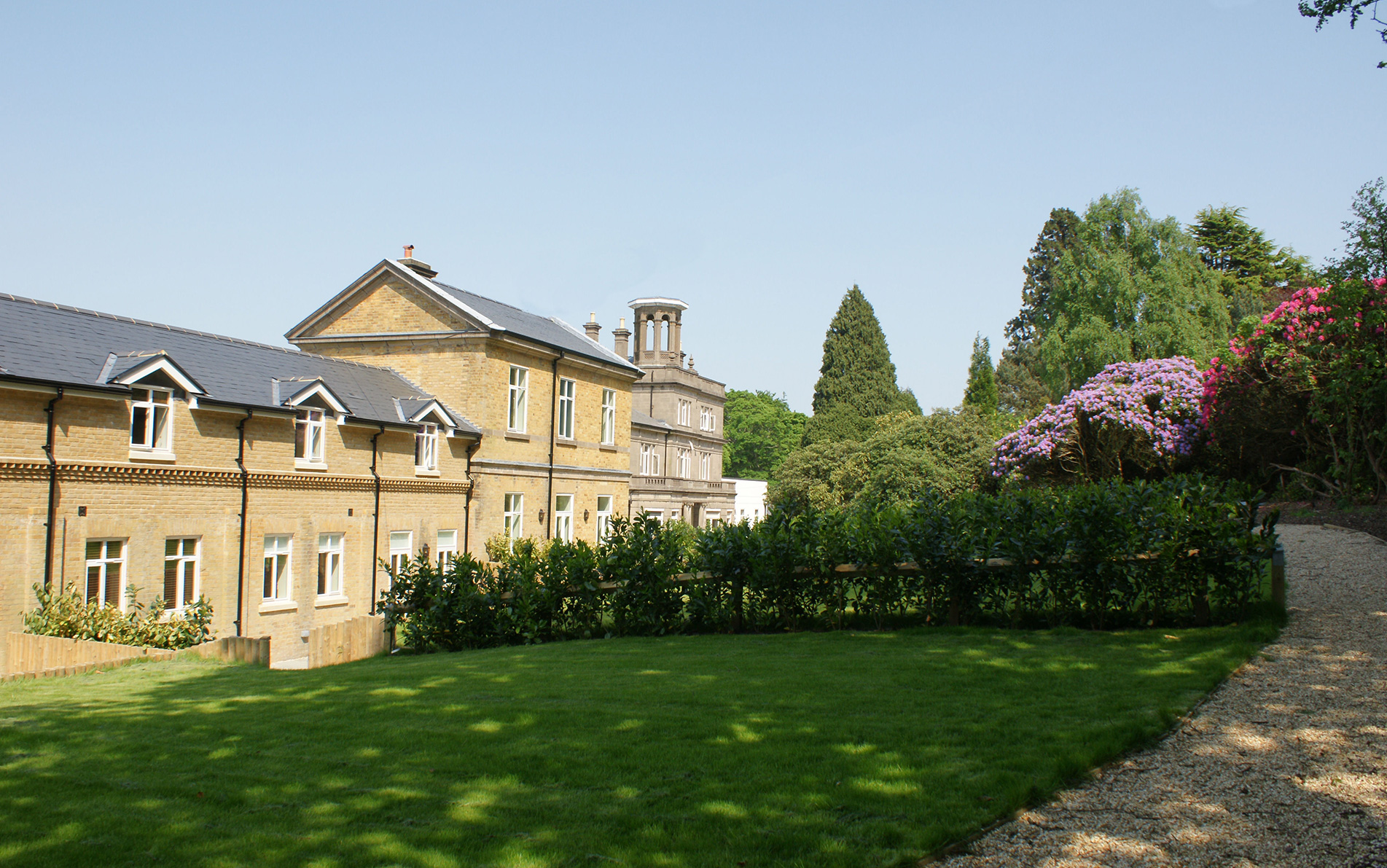
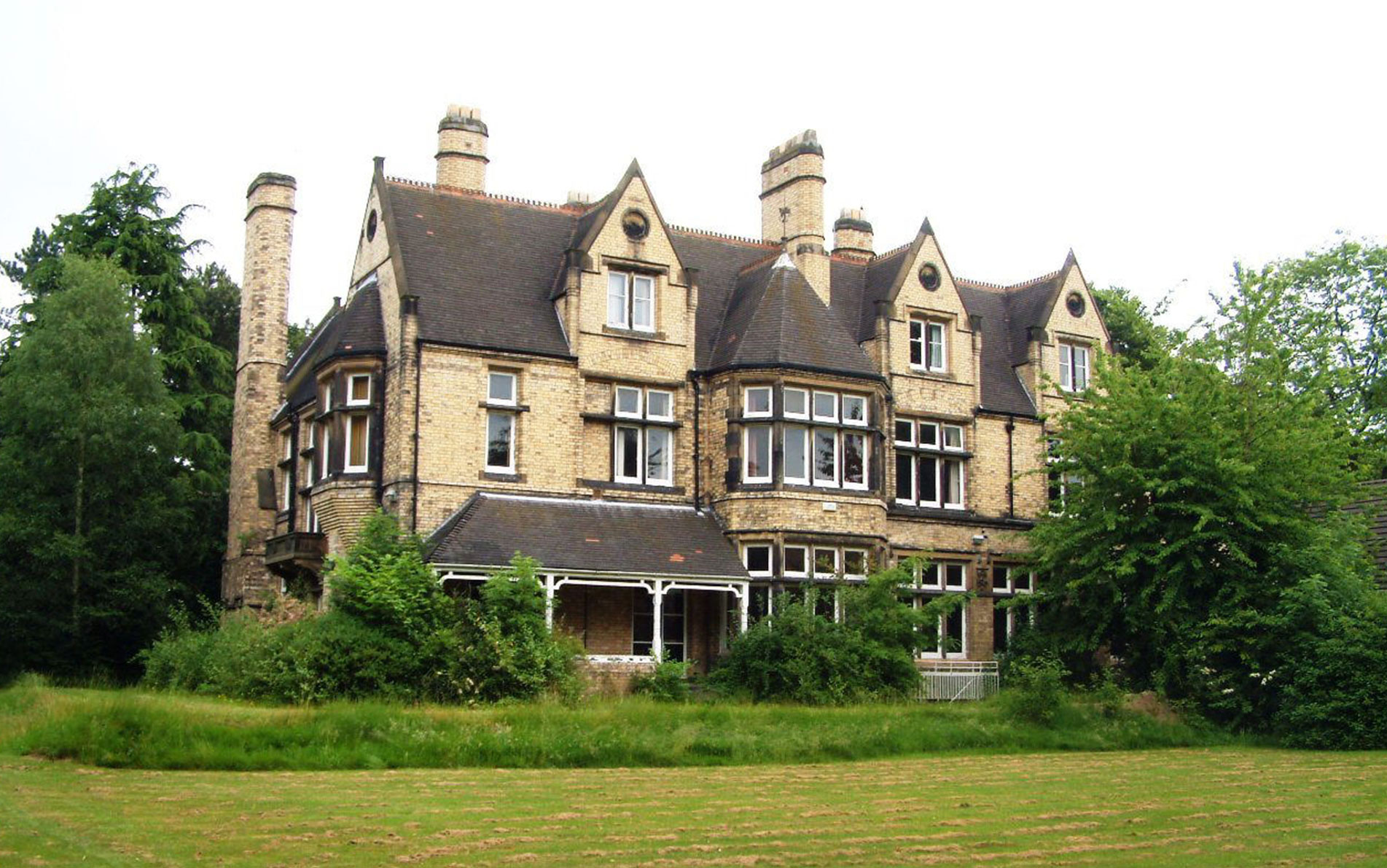
The original Ide Hill was a 16th-century hunting lodge. The house stands high on a hill overlooking the North Kent Downs, and in times of unrest, a beacon transmitted alarm signals from across the Downs to Shooters Hill at Eltham.
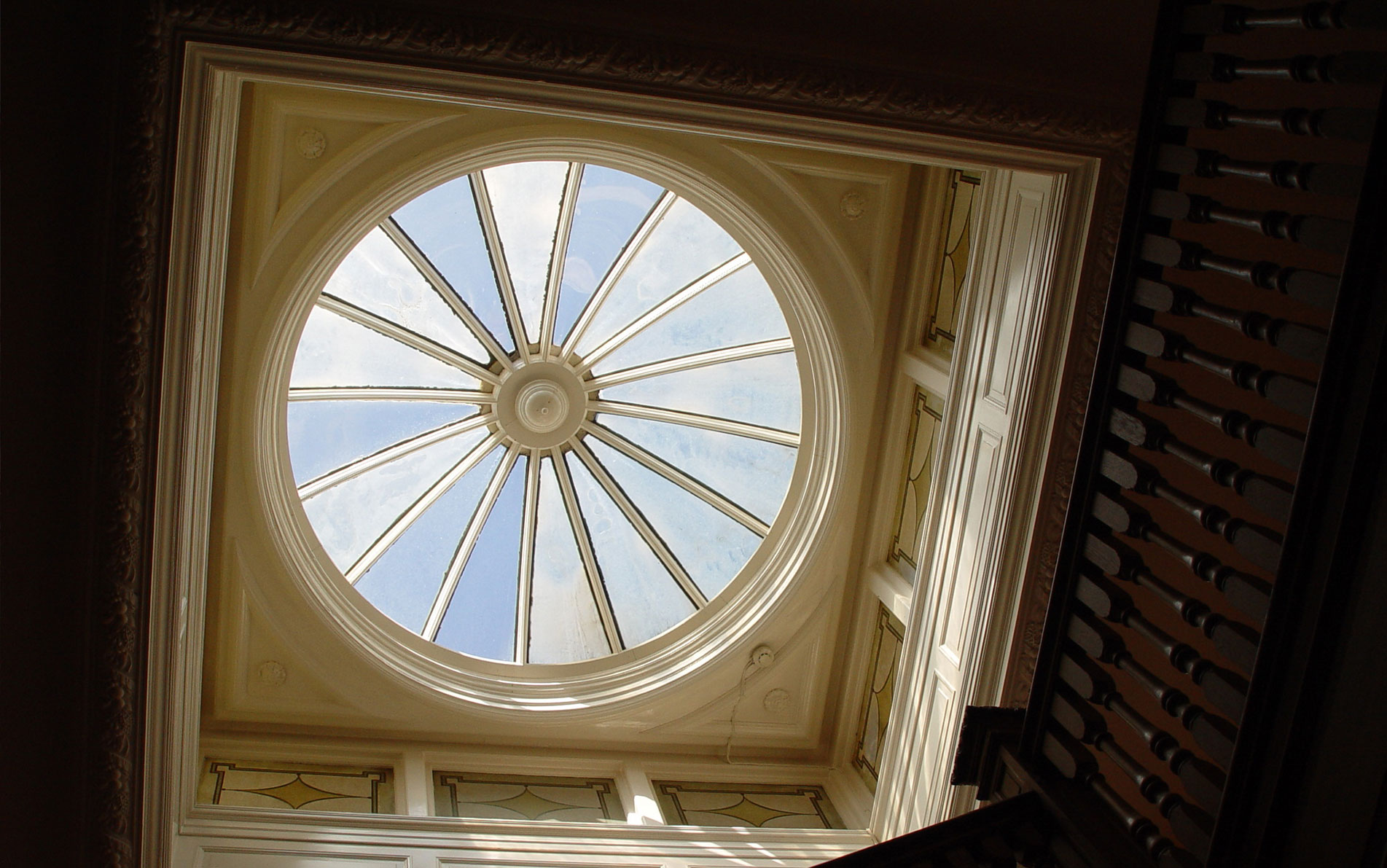
John Smear extended the house to the south, and commissioned the Arts-and-Crafts architect George Walton, to refurbish the great hall and drawing room between 1902 and 1908.
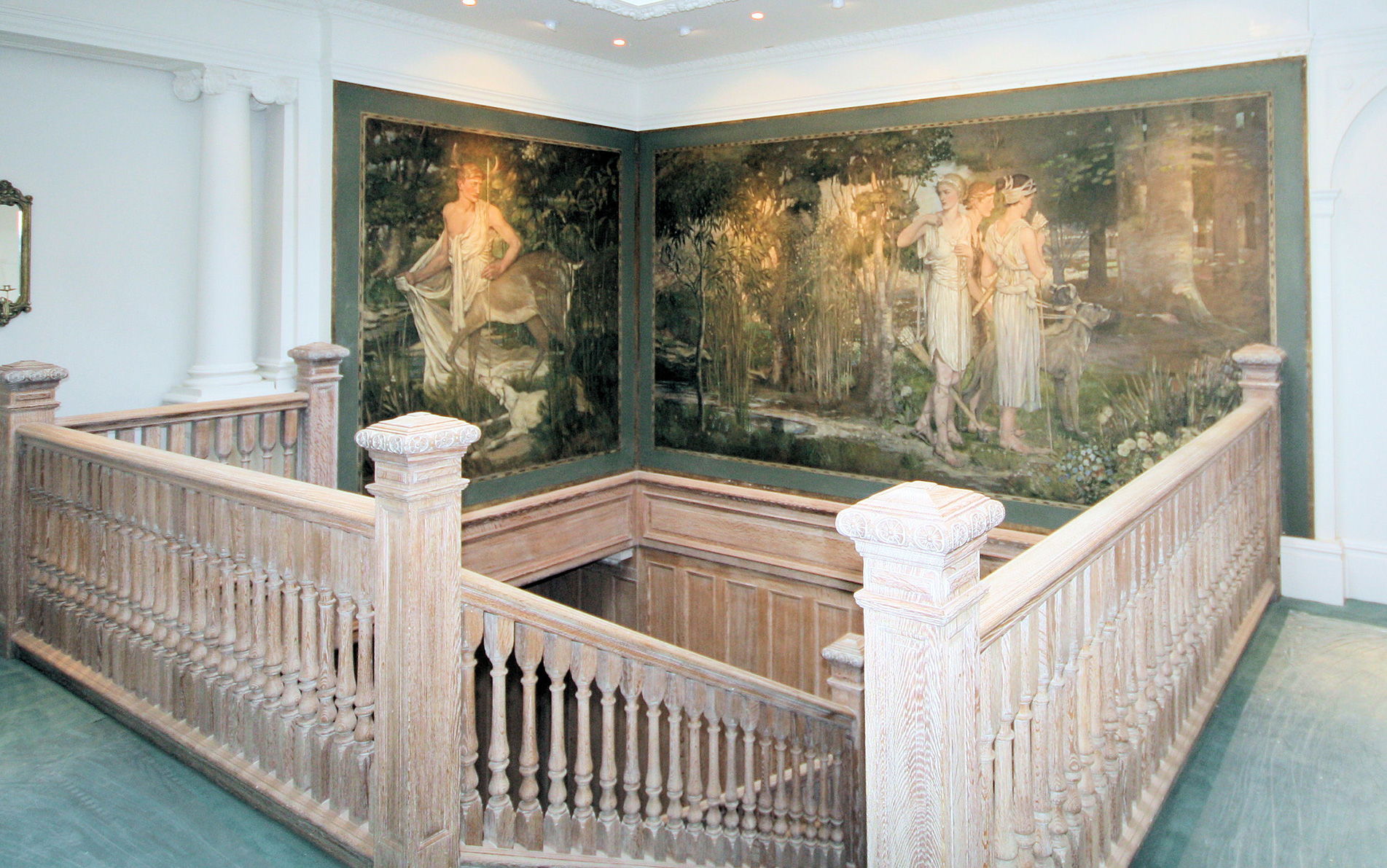
Later in 1908, Walton painted the huge mural of Diana and Actaeon which dominates the grand central staircase.
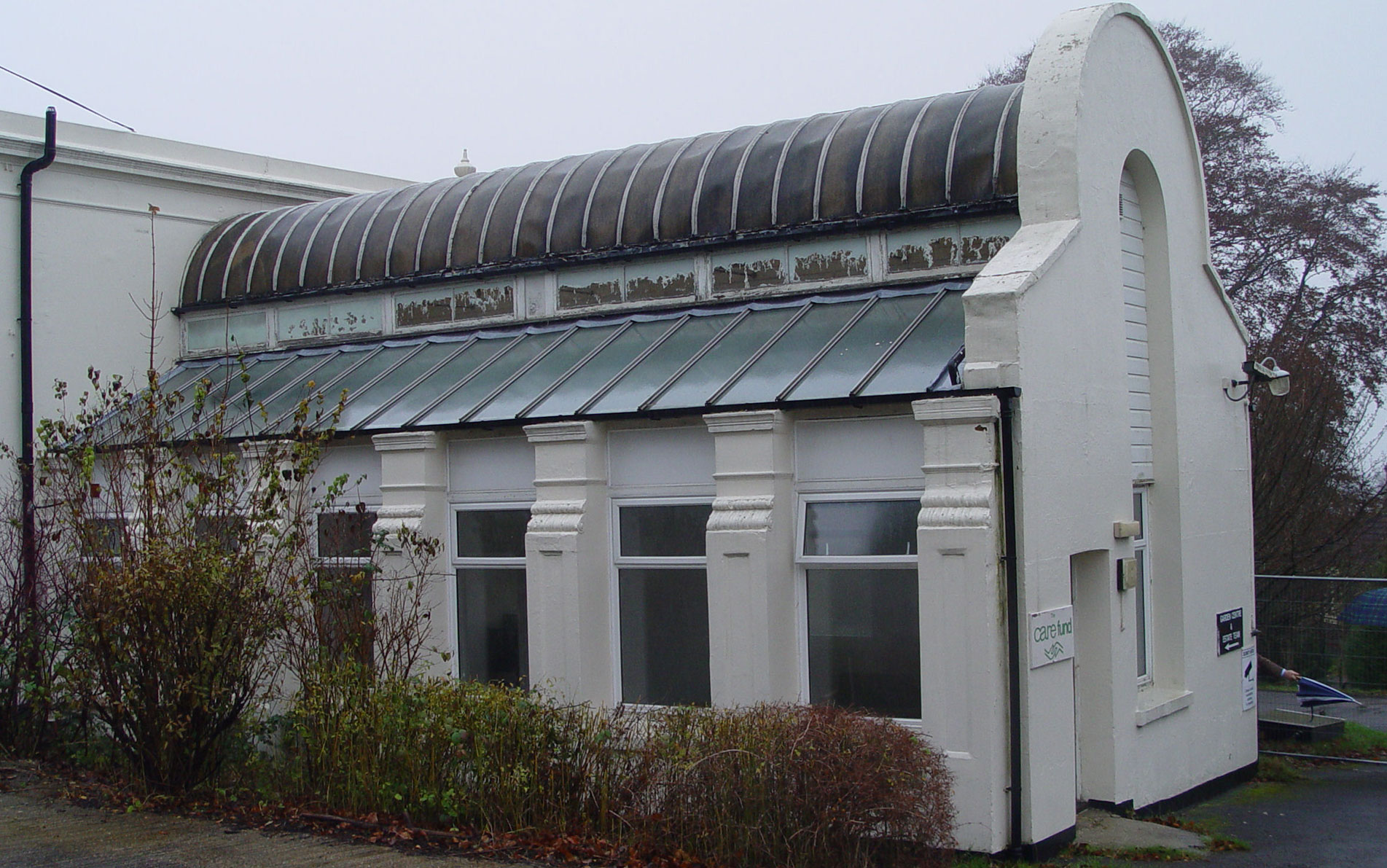
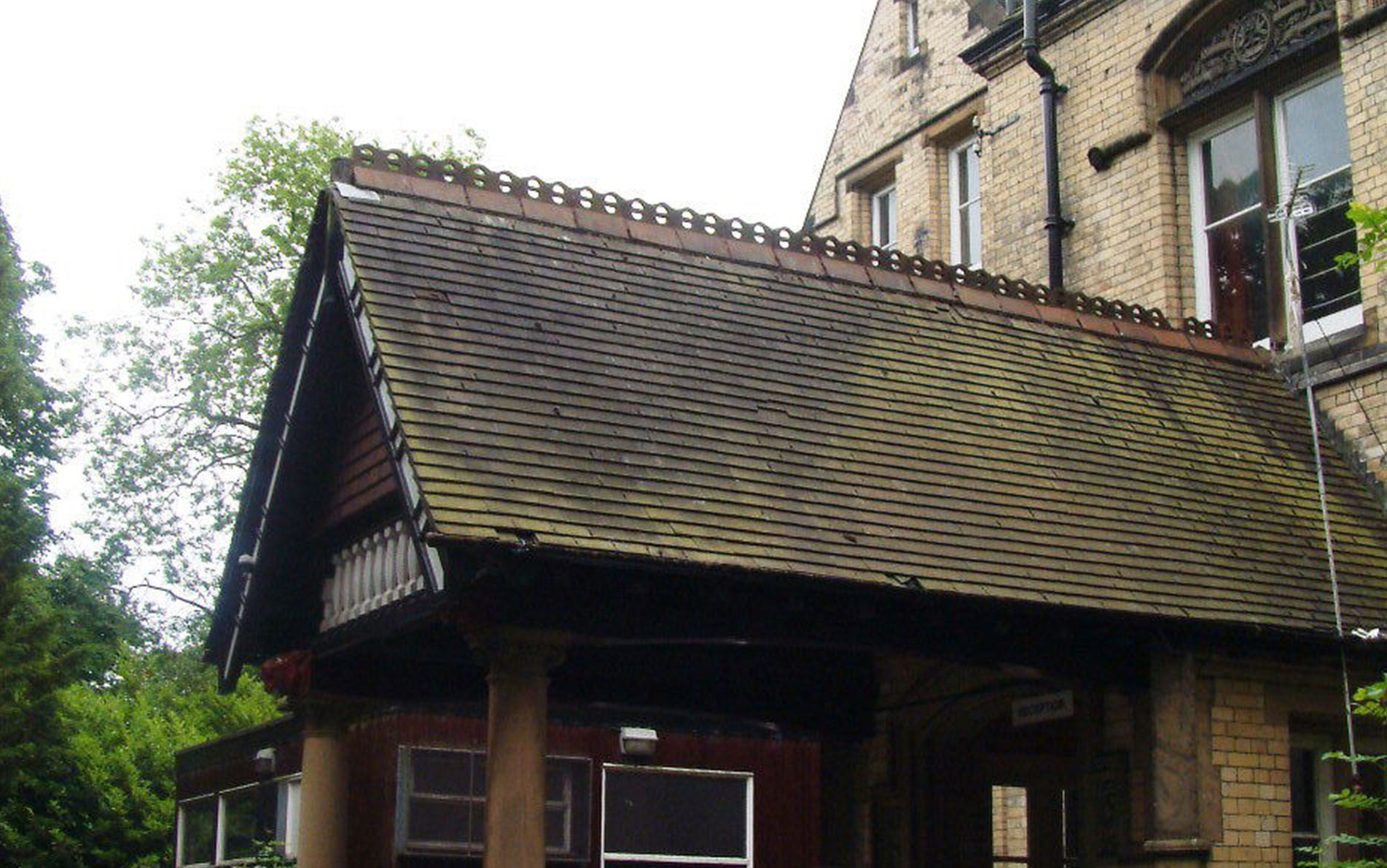
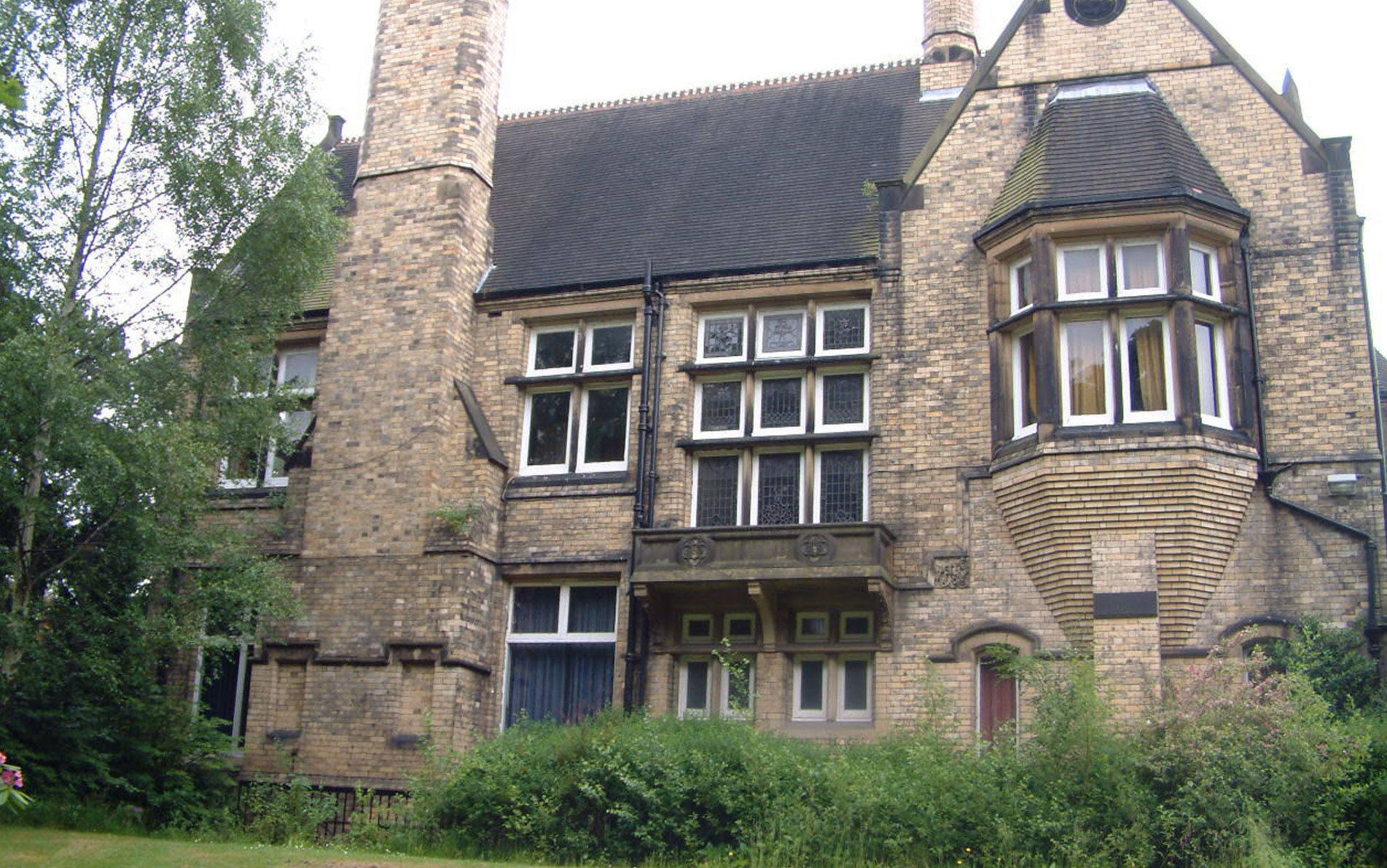
The Grade II Georgian country mansion with stable block and Orangery was last used as a care home.
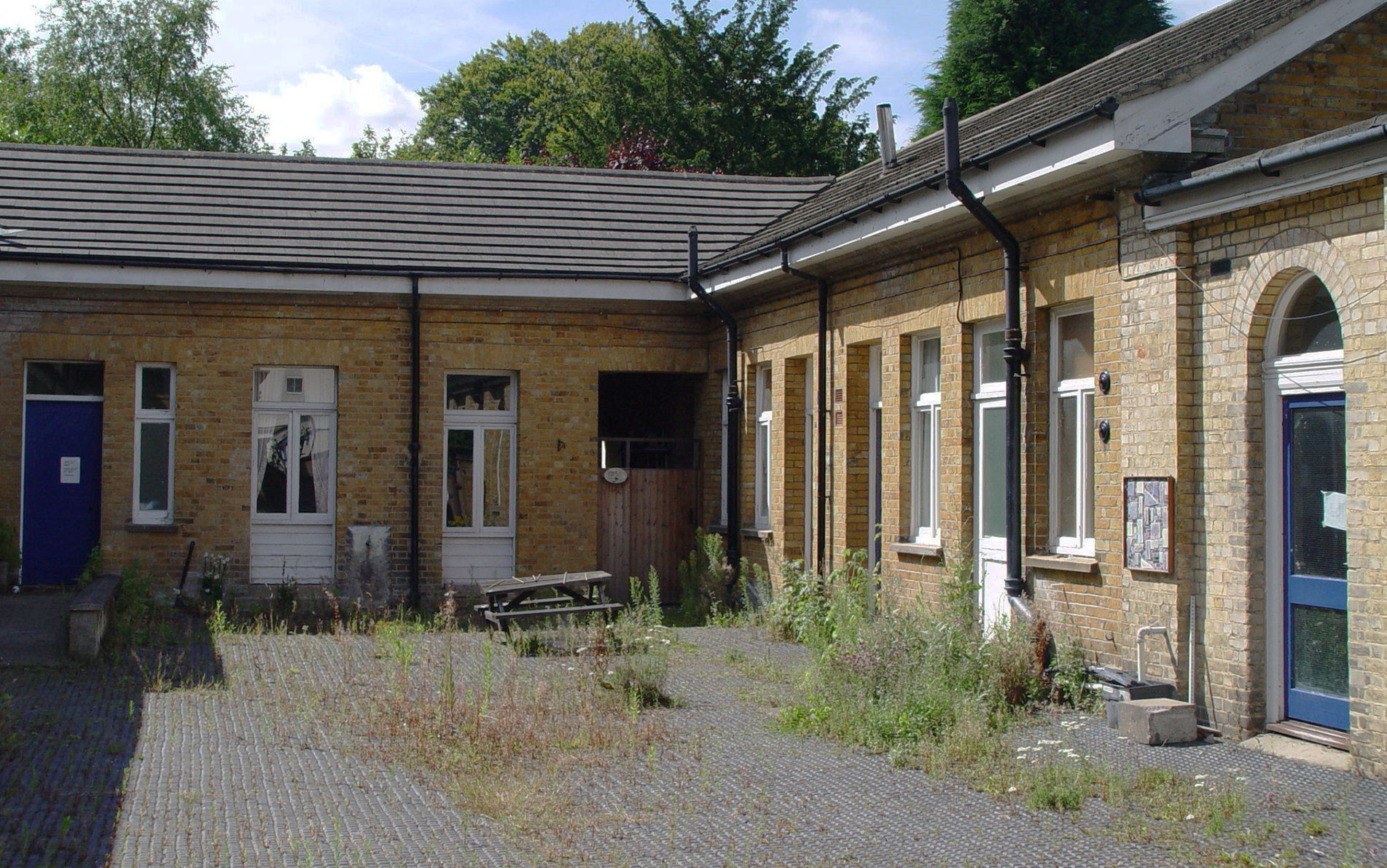
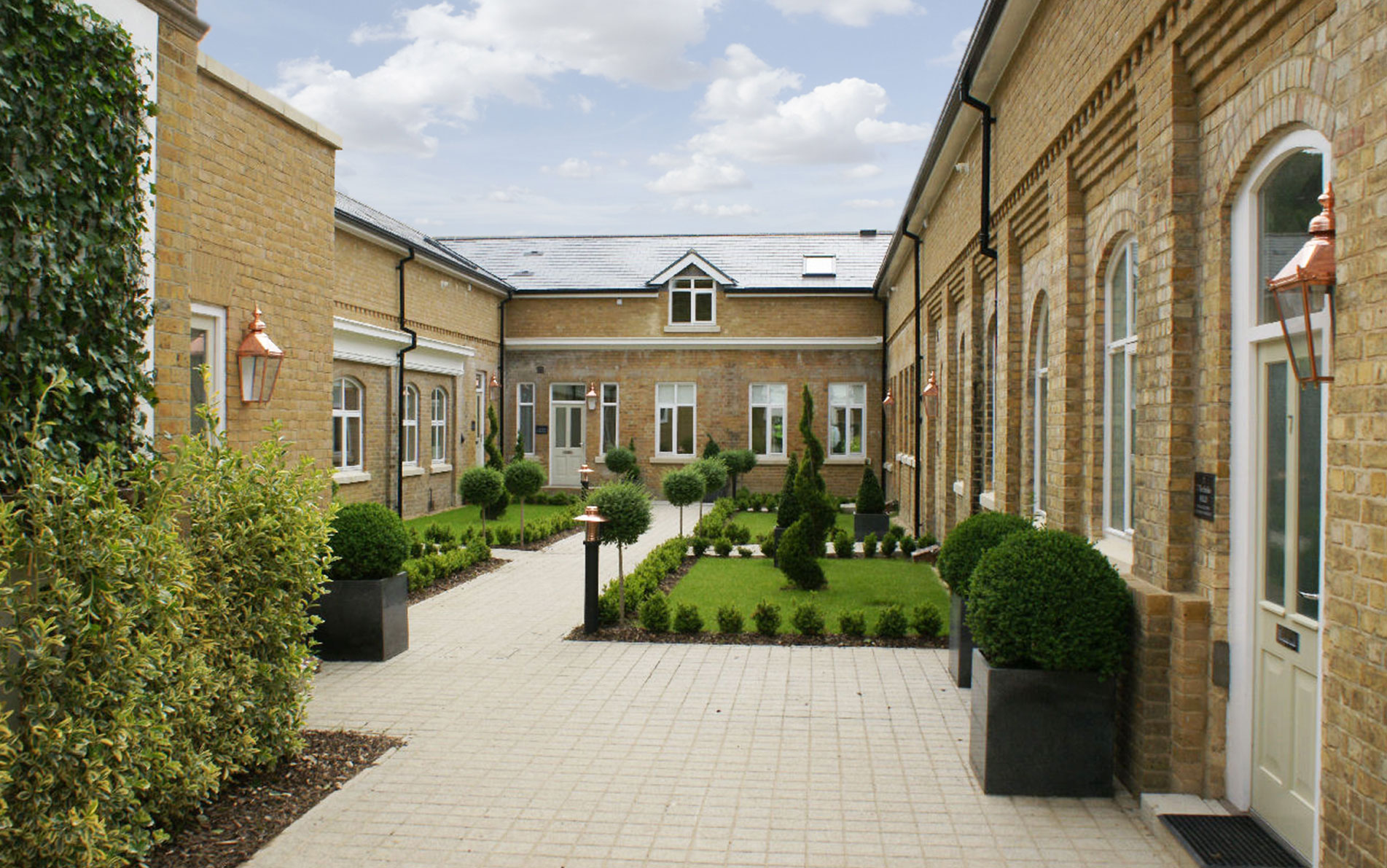
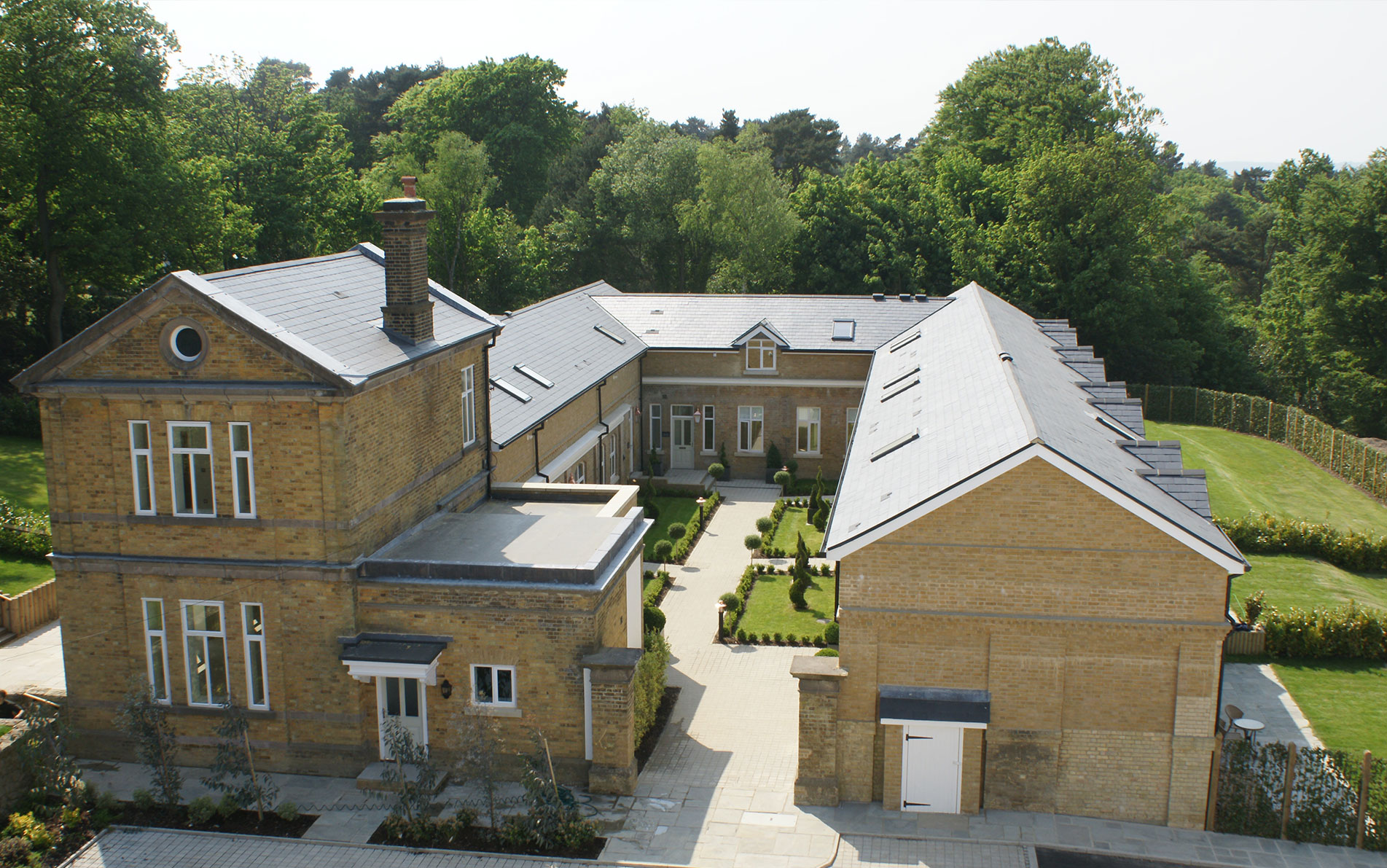
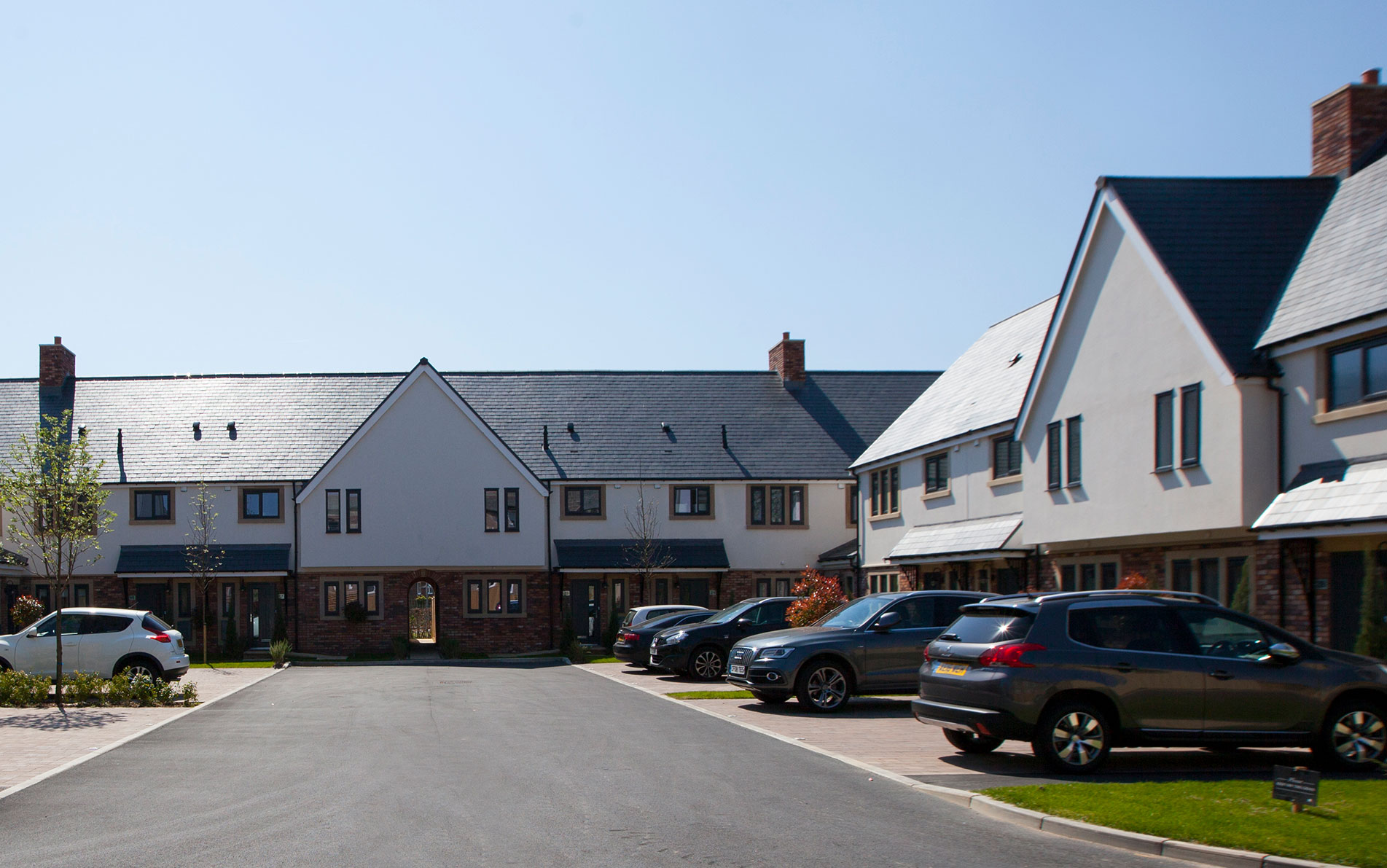
The P J Livesey Group were granted planning permission to convert the manor house into seven grand apartments, and the nearby stable courtyard into seven mews cottages.
by The P J Livesey Team | Nov 11, 2019
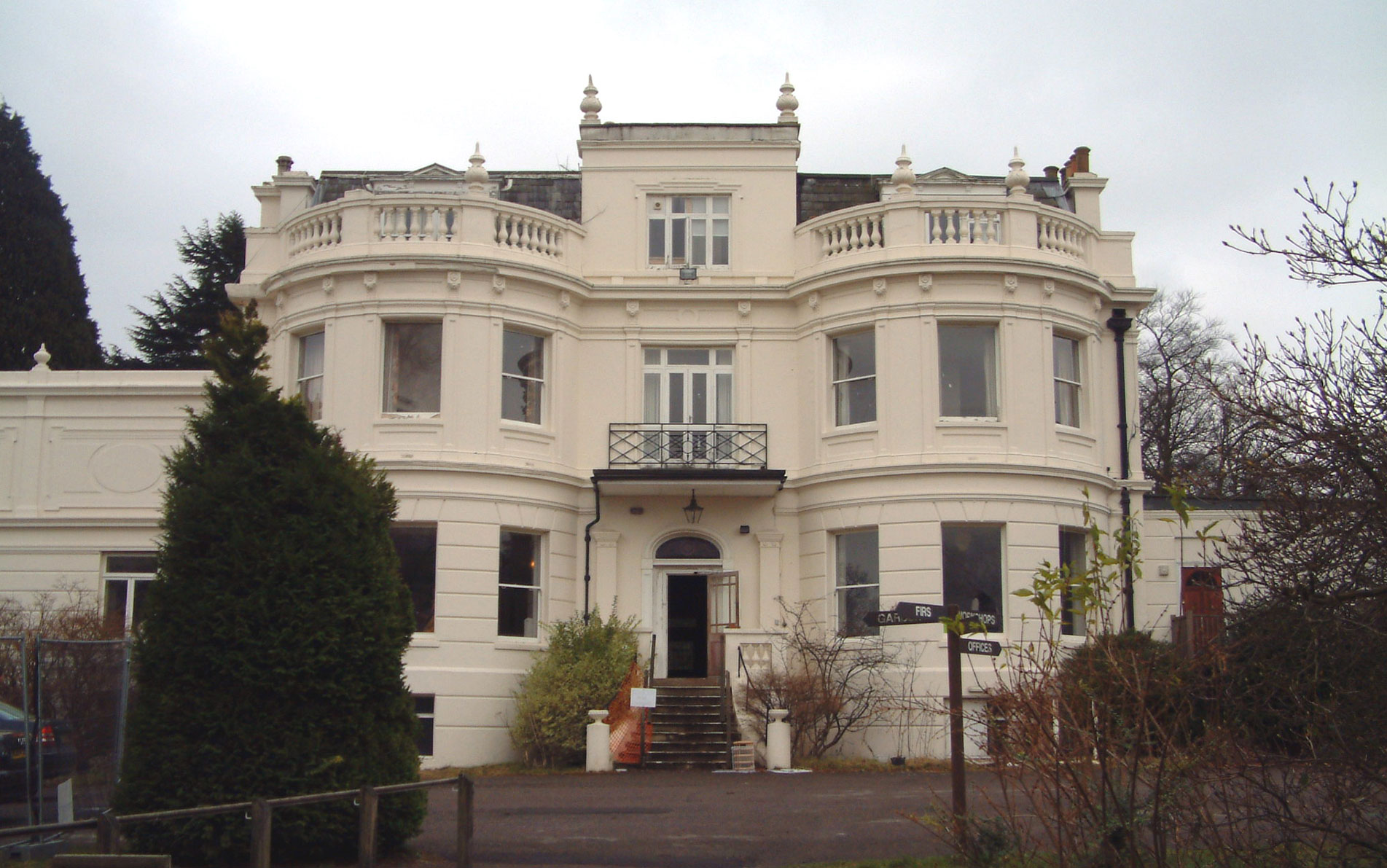
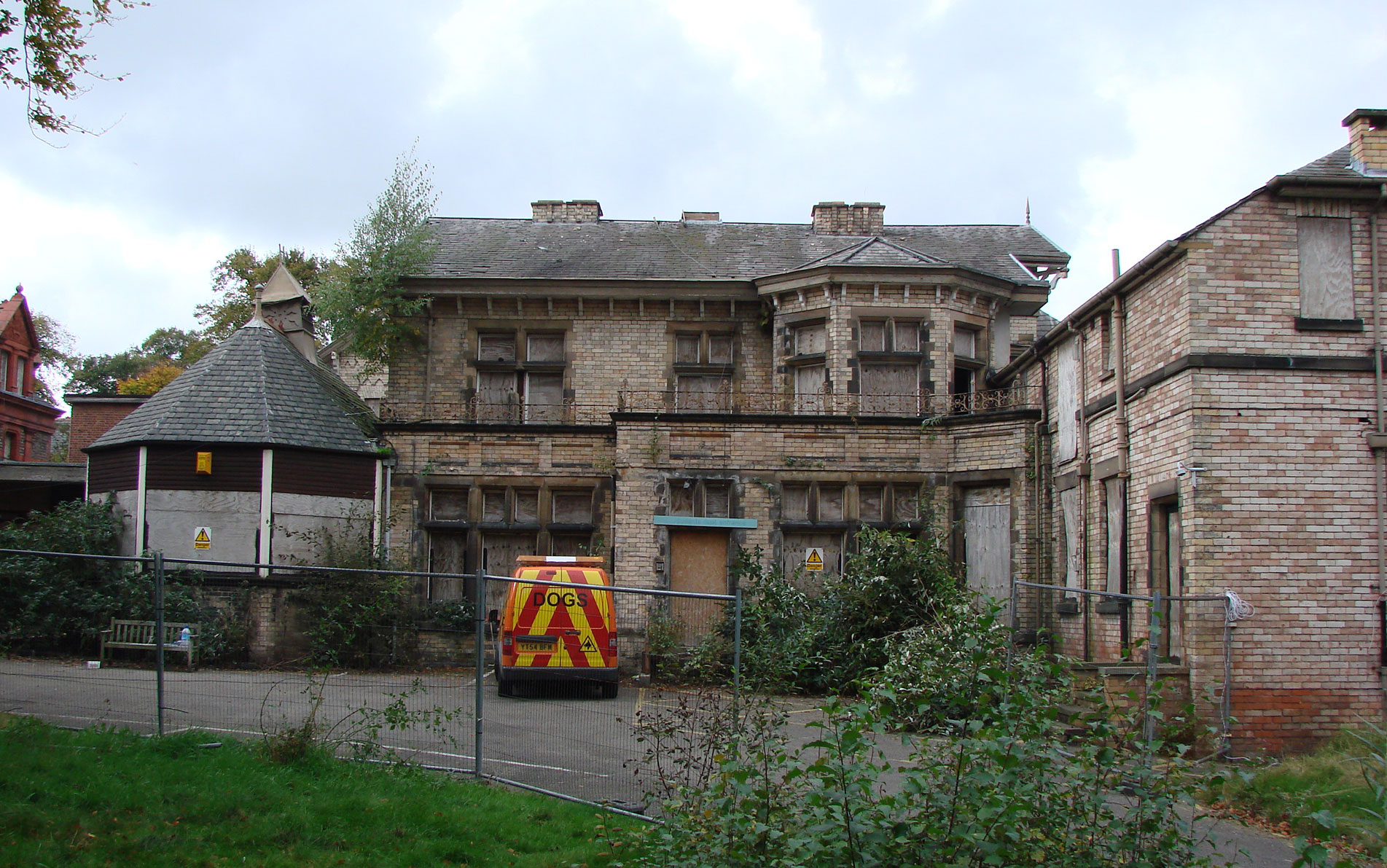
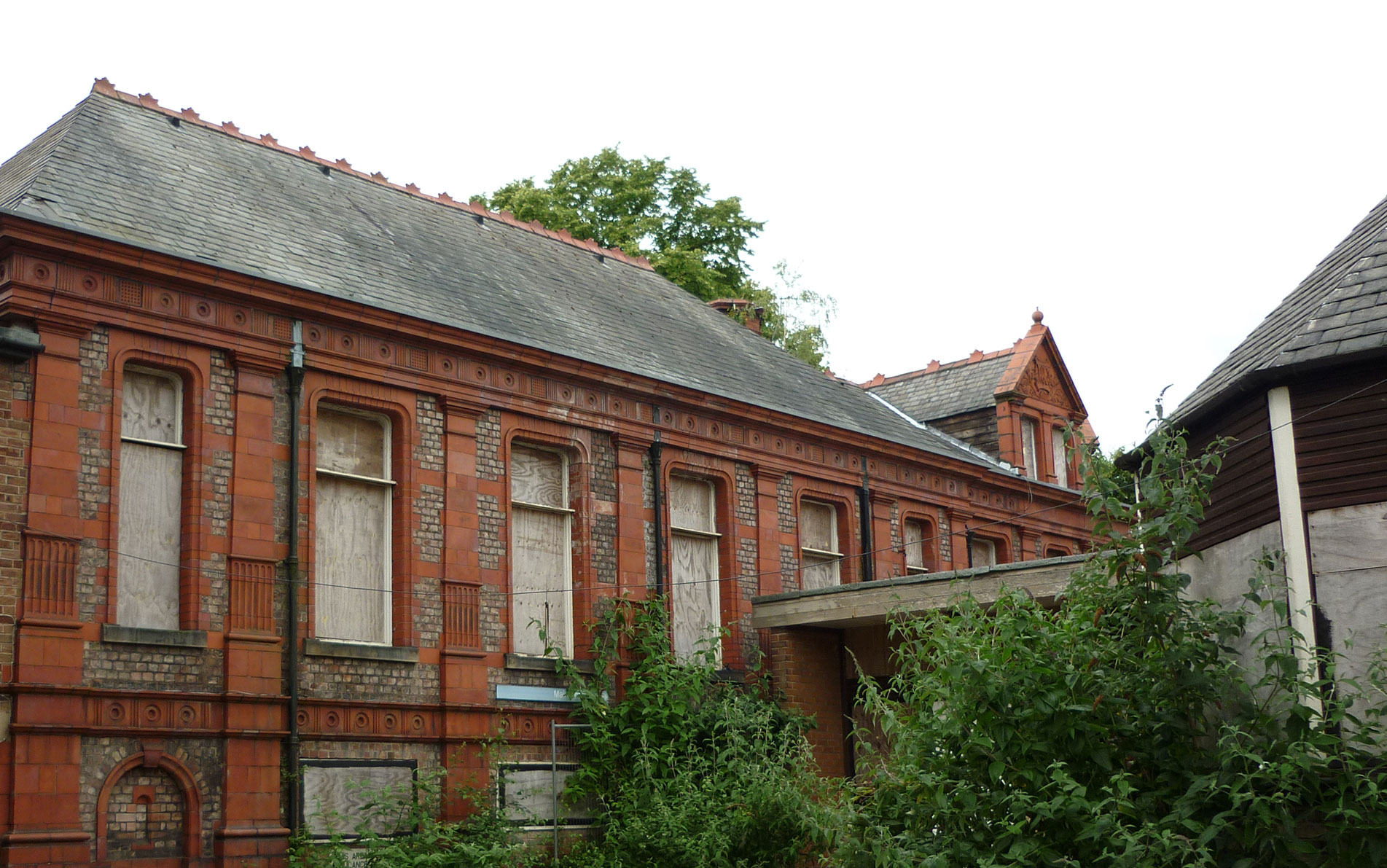
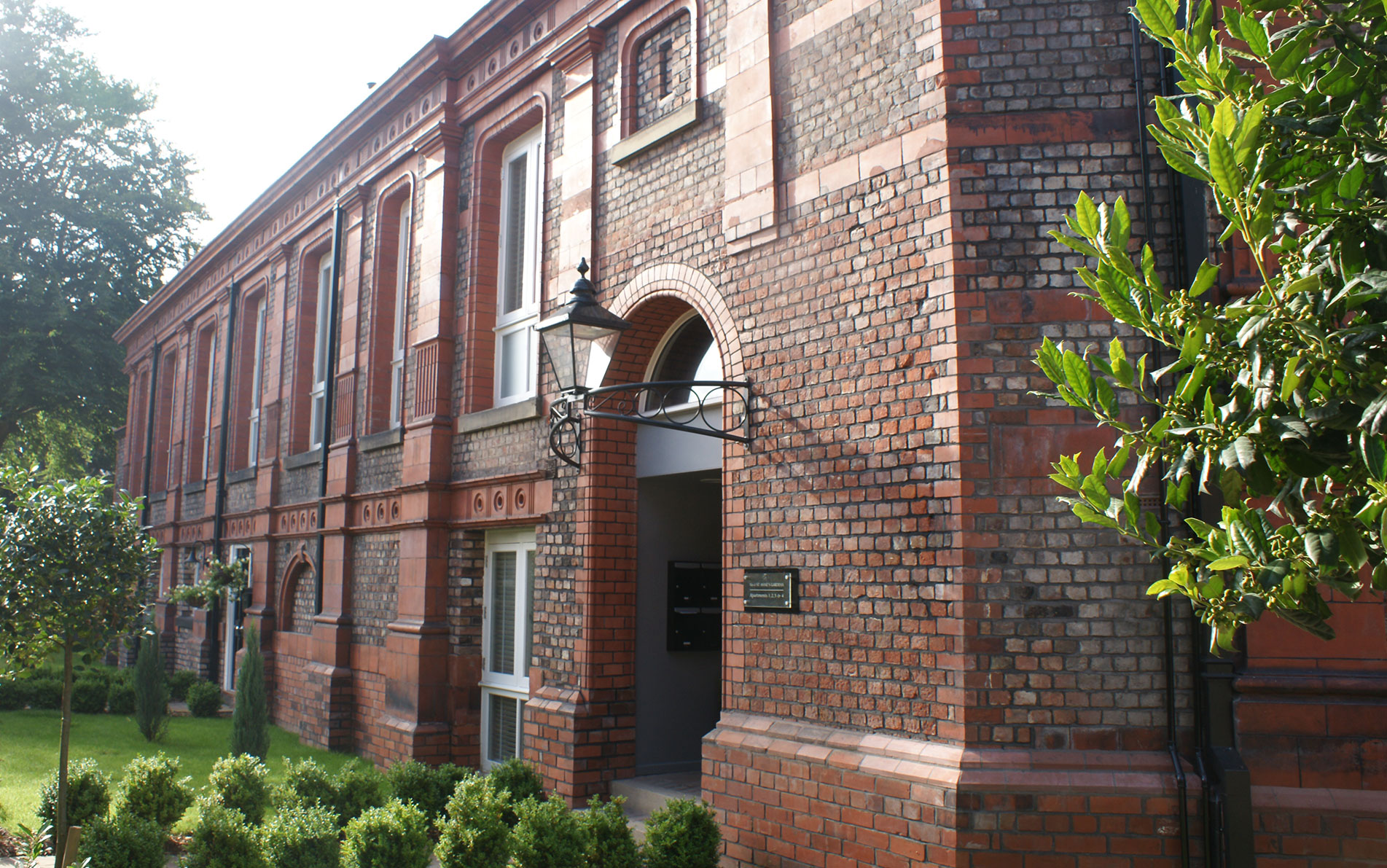
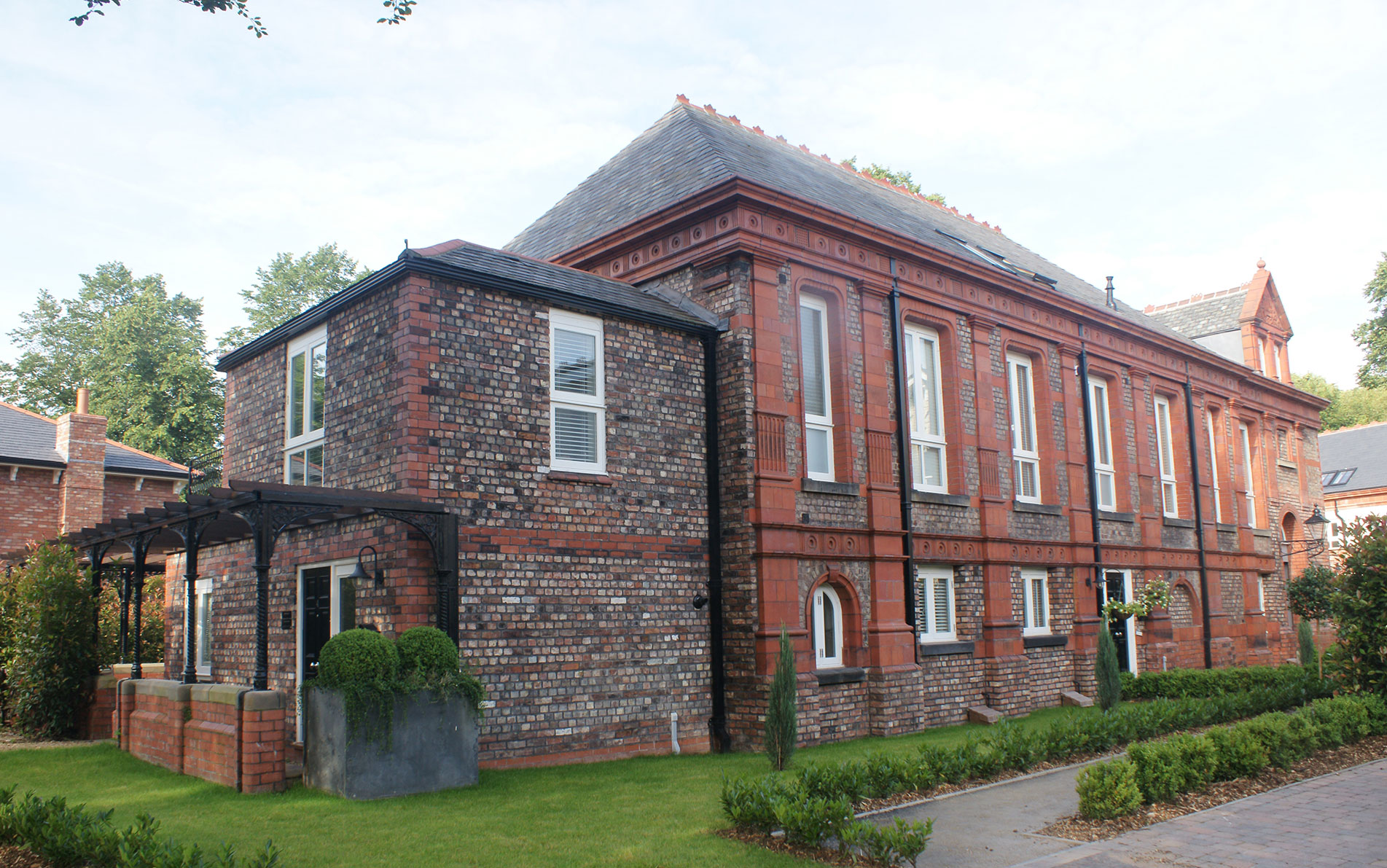
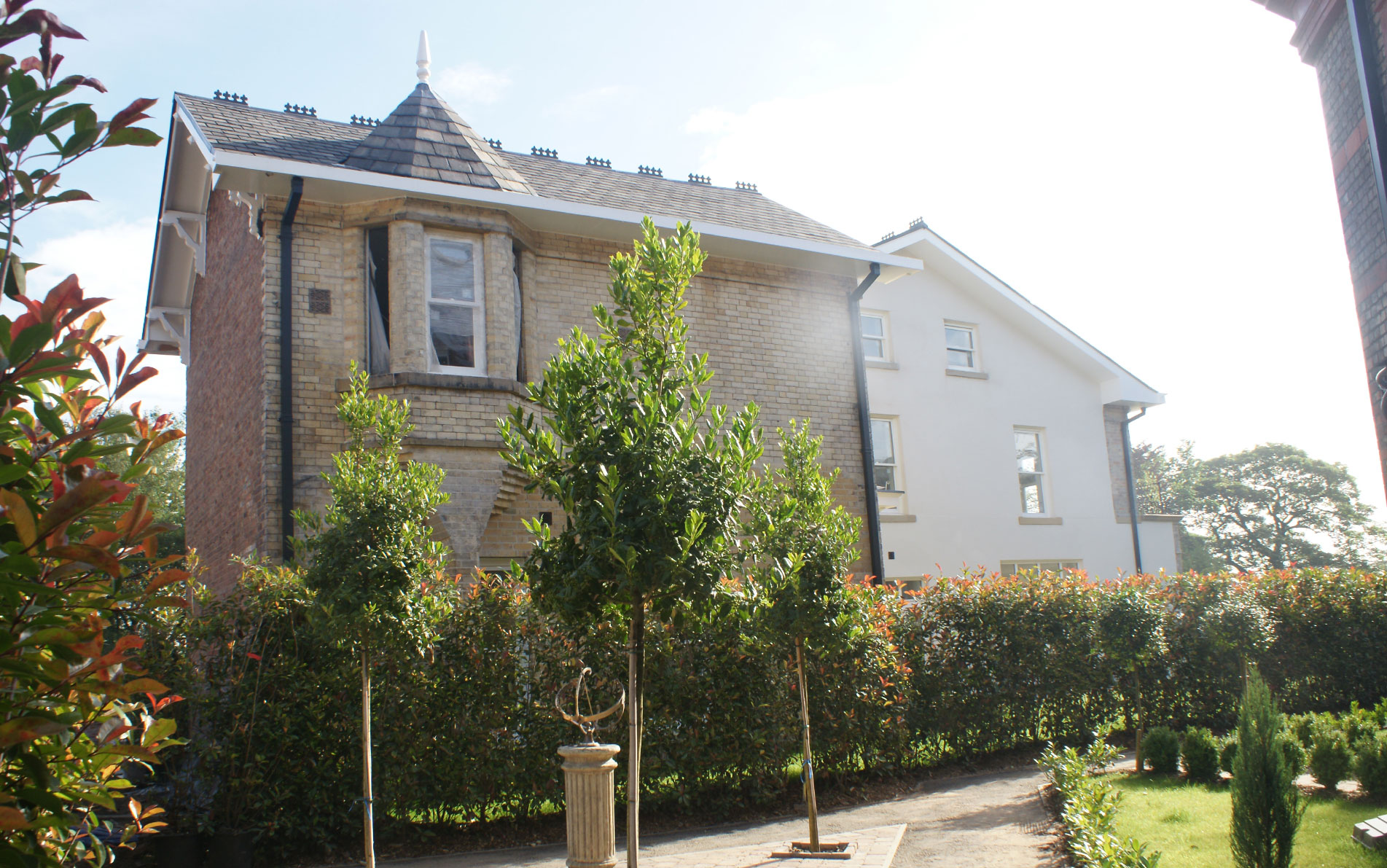
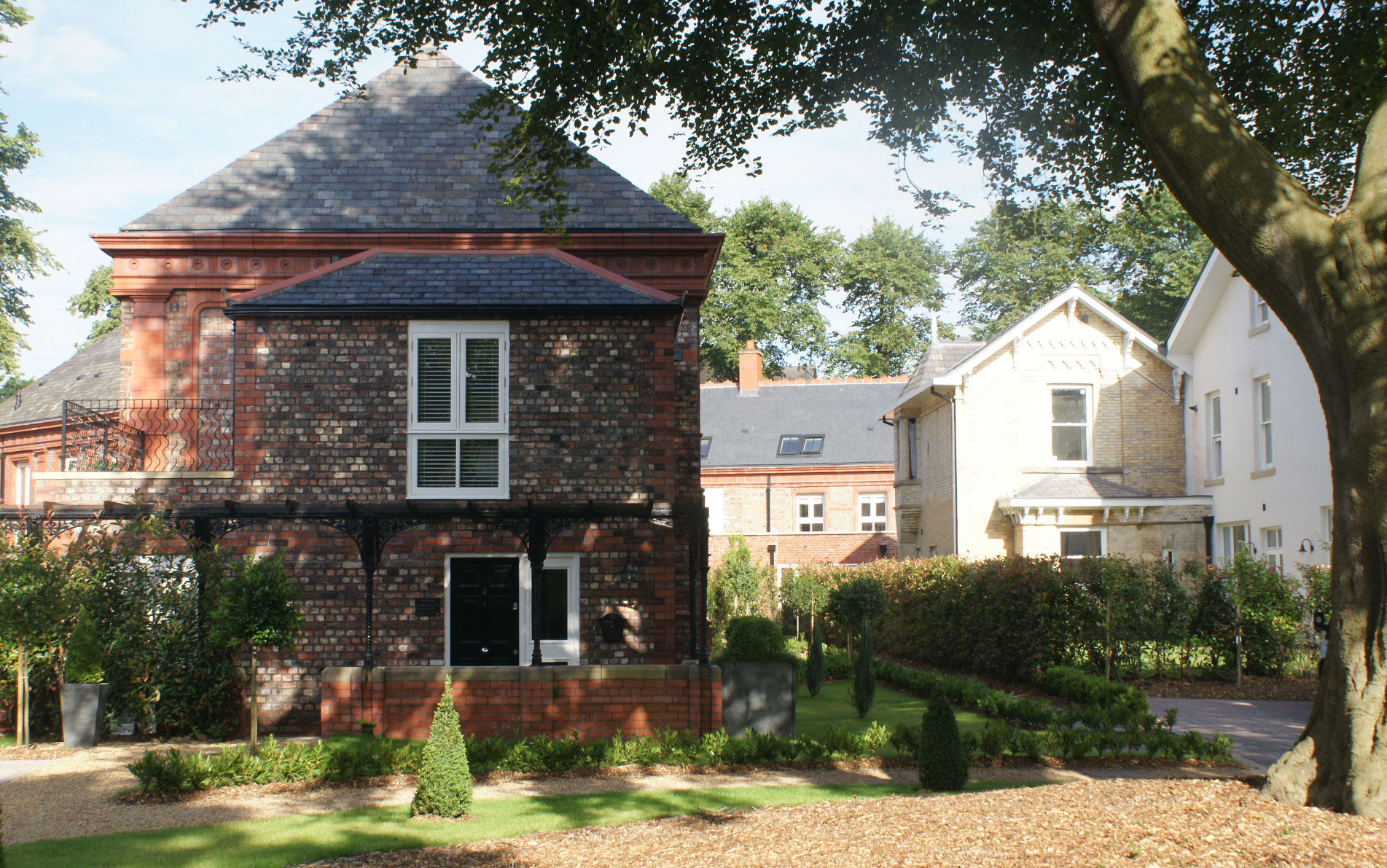
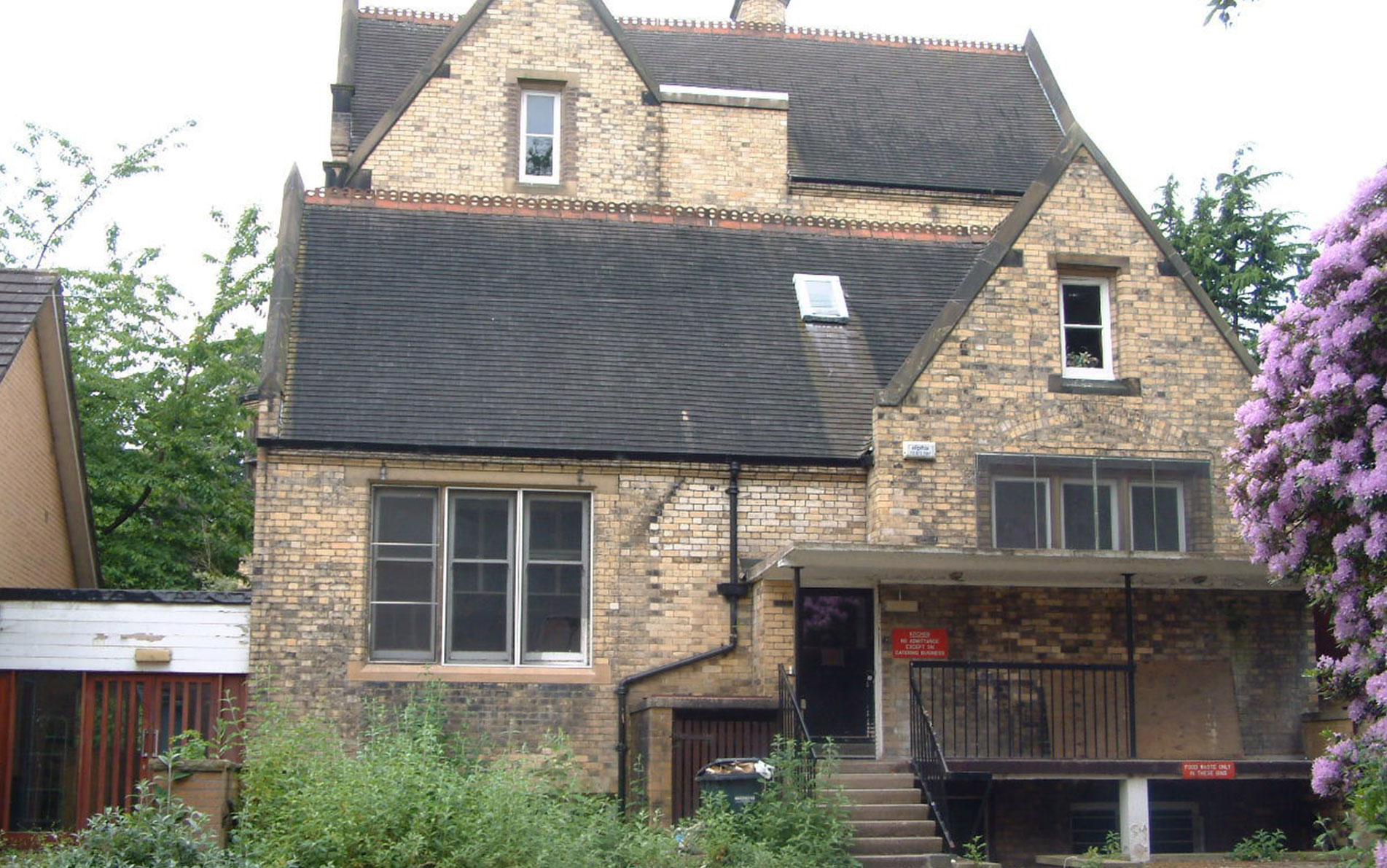
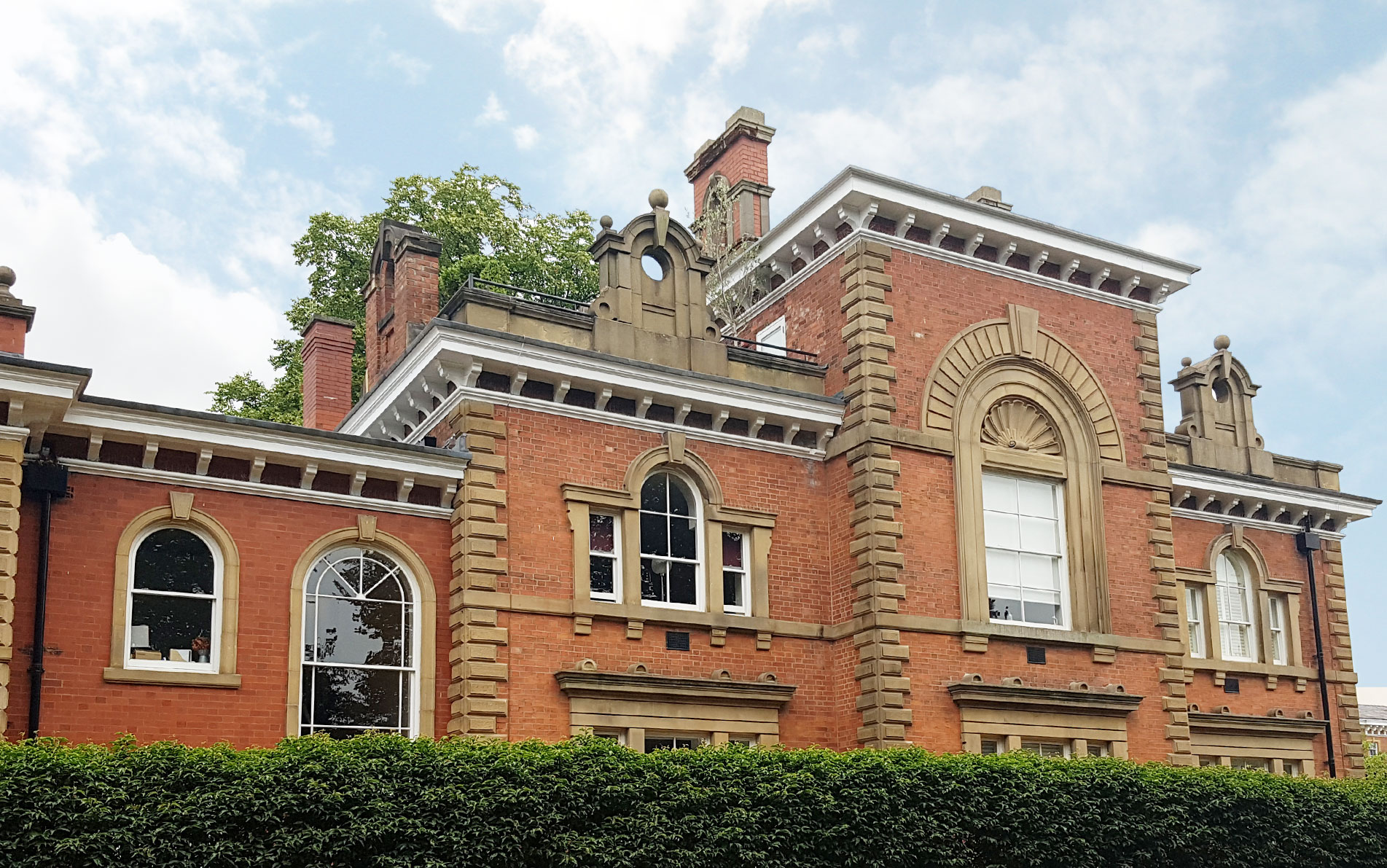
Originally a stunning Victorian villa called ‘Beech Grove’ and constructed in 1837.
It became a specialist hospital in 1885 and renamed St Anne’s Hospital.
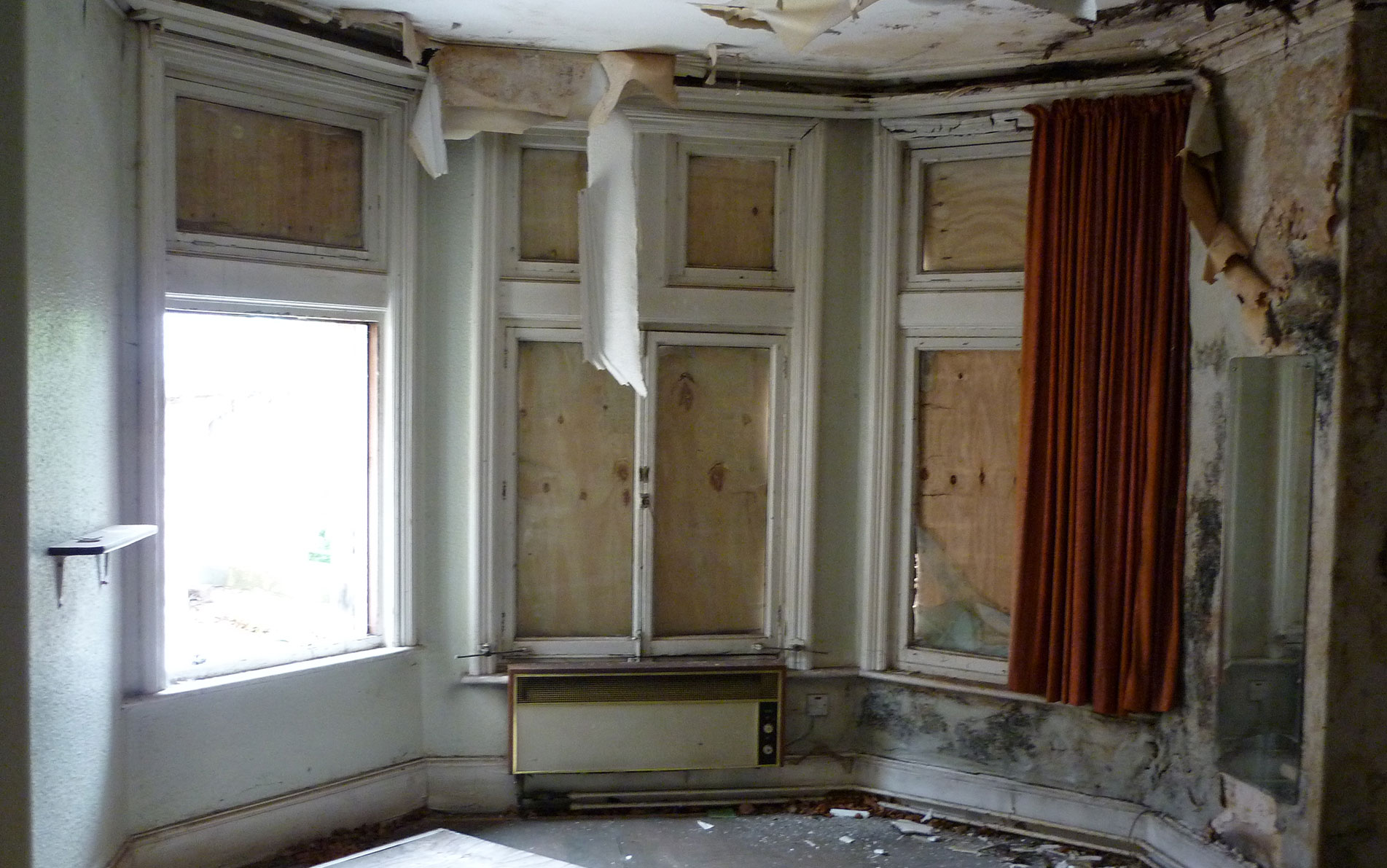
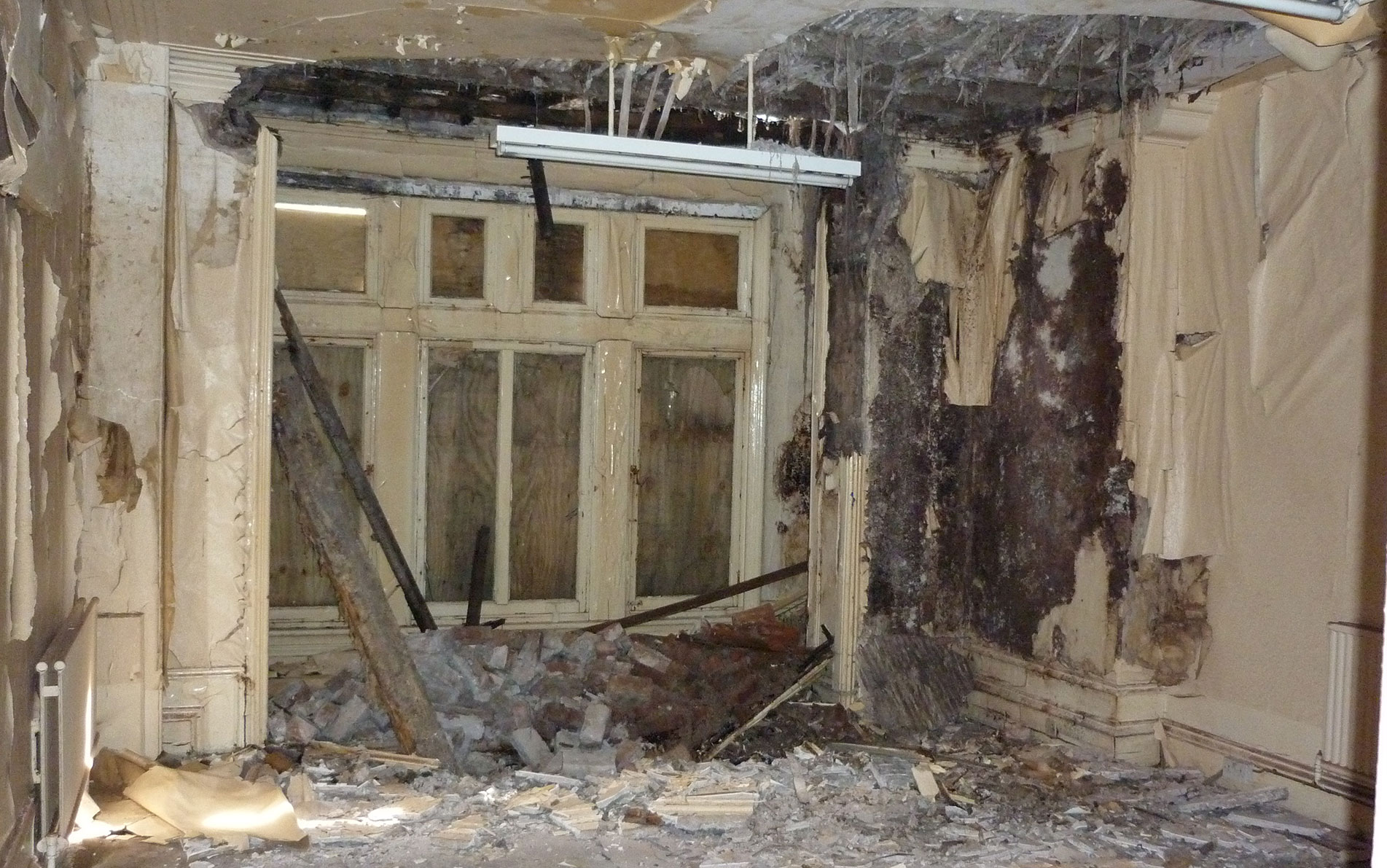
This unique Grade II listed building had been standing empty for 11 years and was in an very poor condition when the Group exchanged contracts in spring 2011.
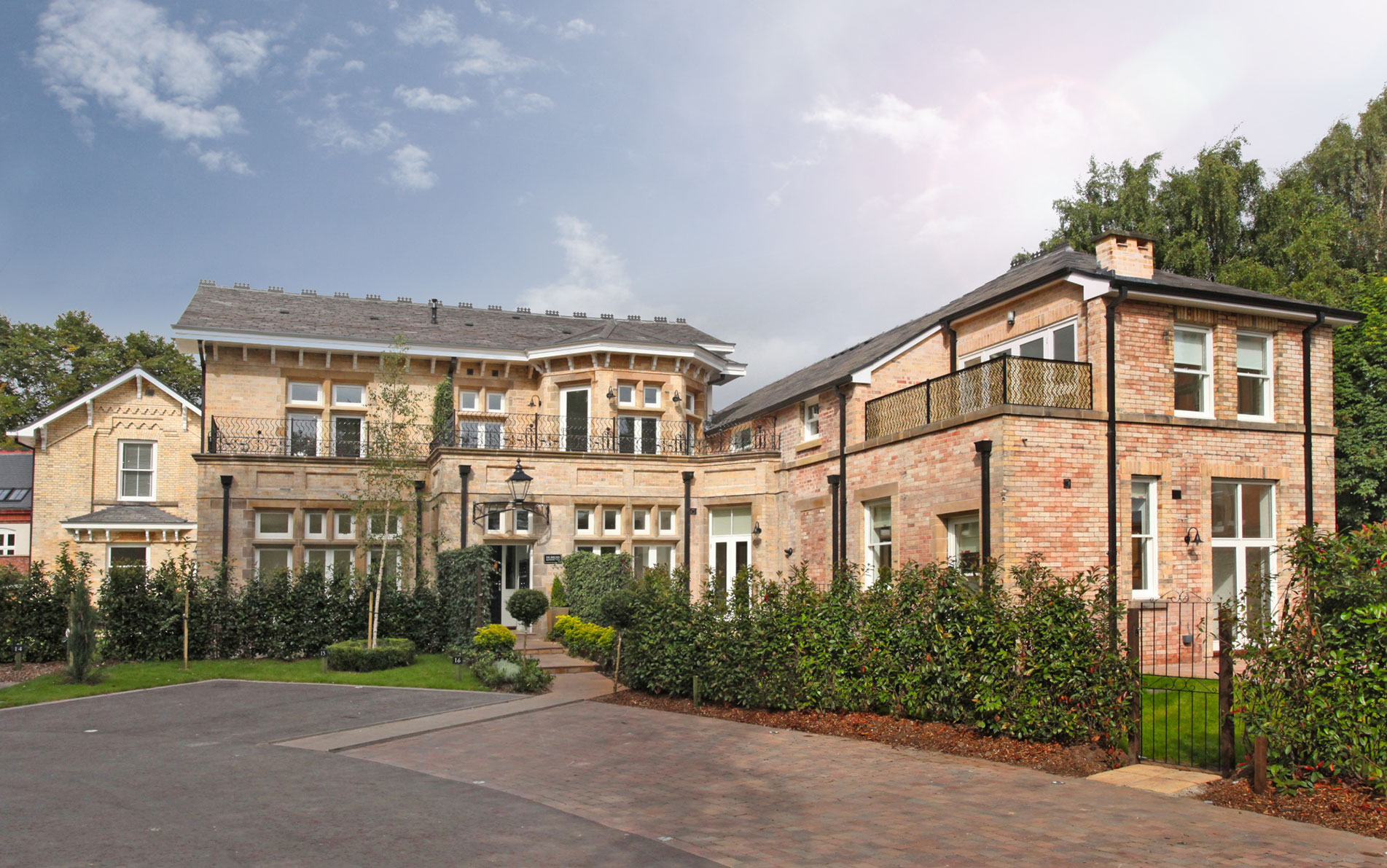
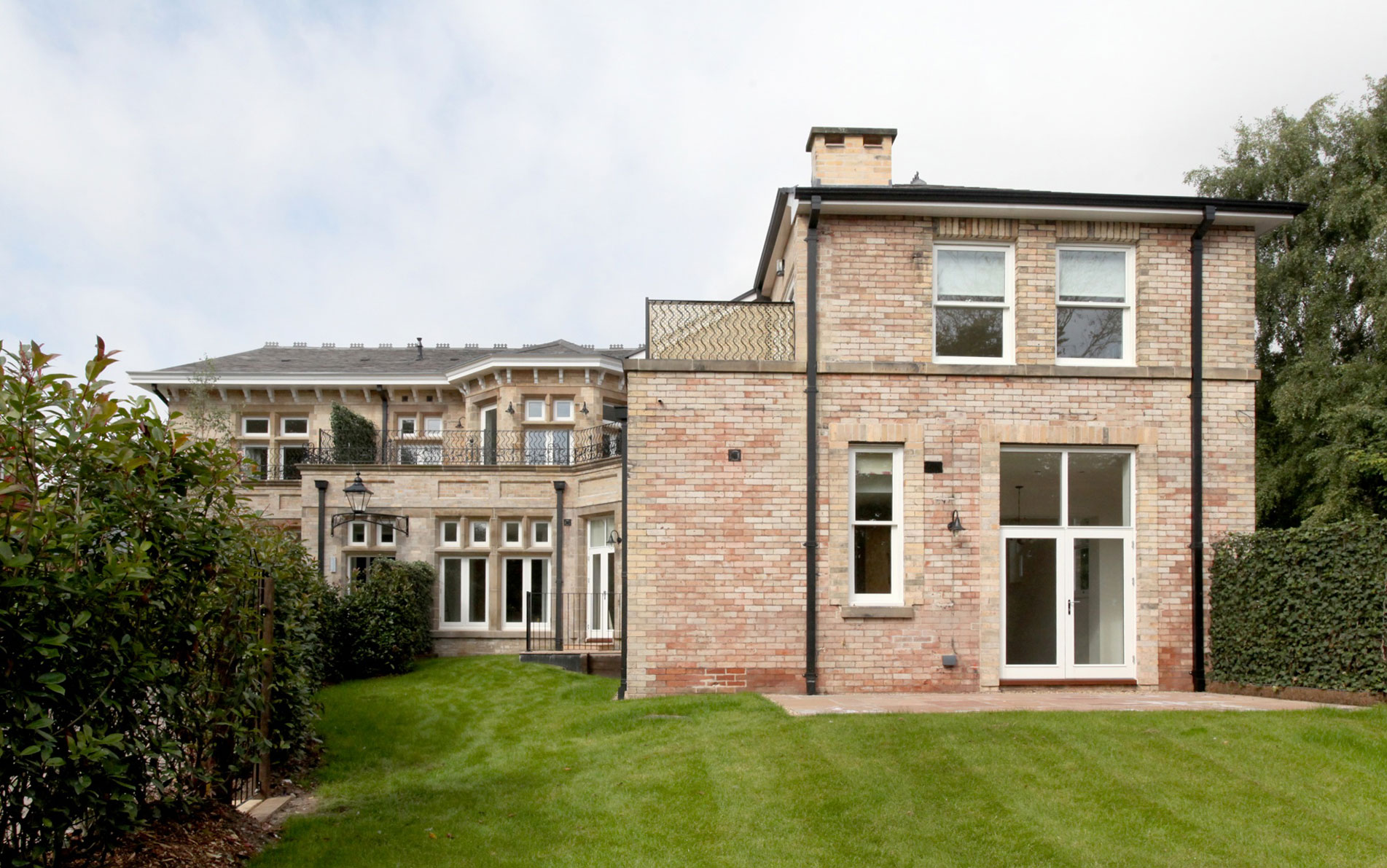
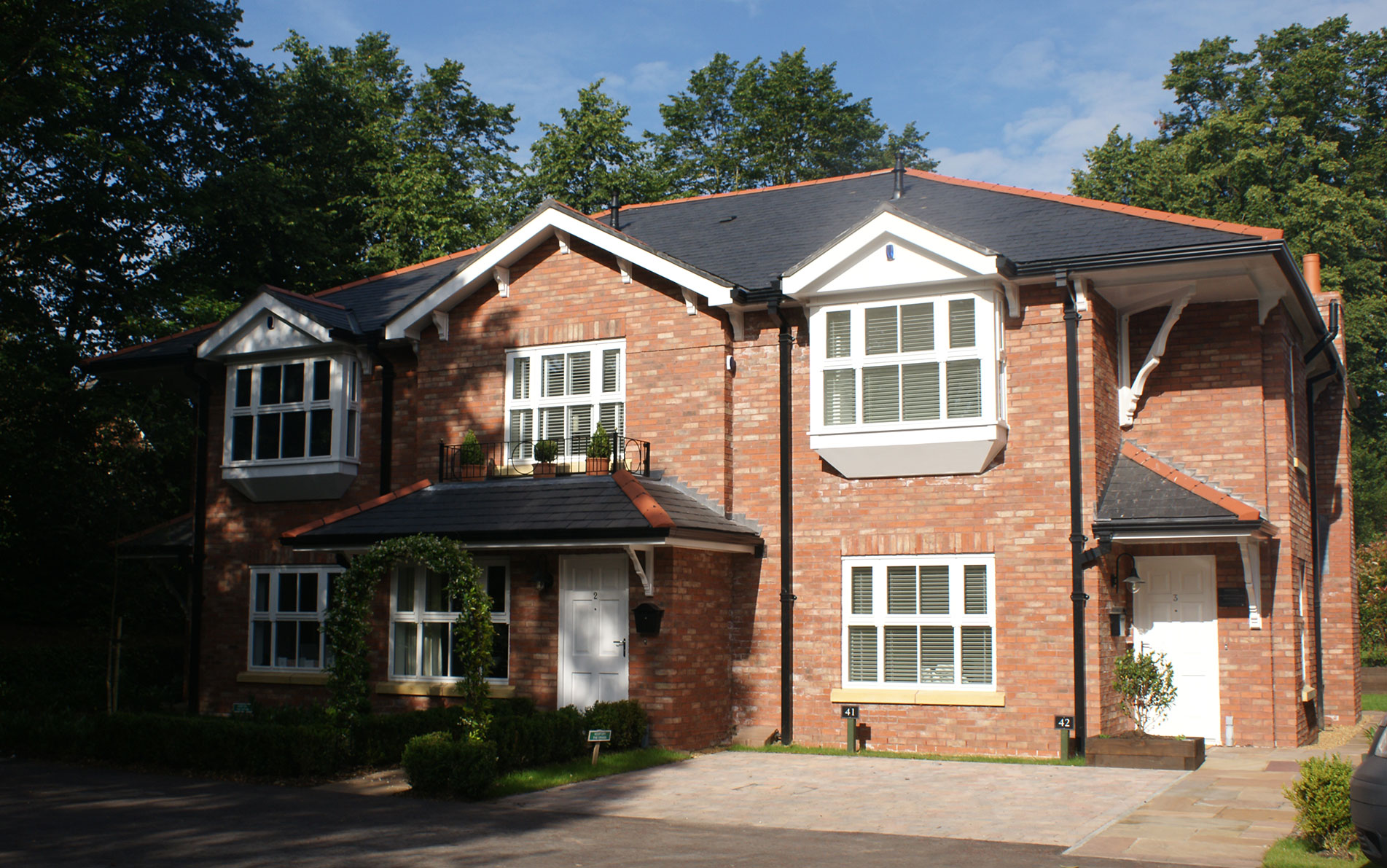
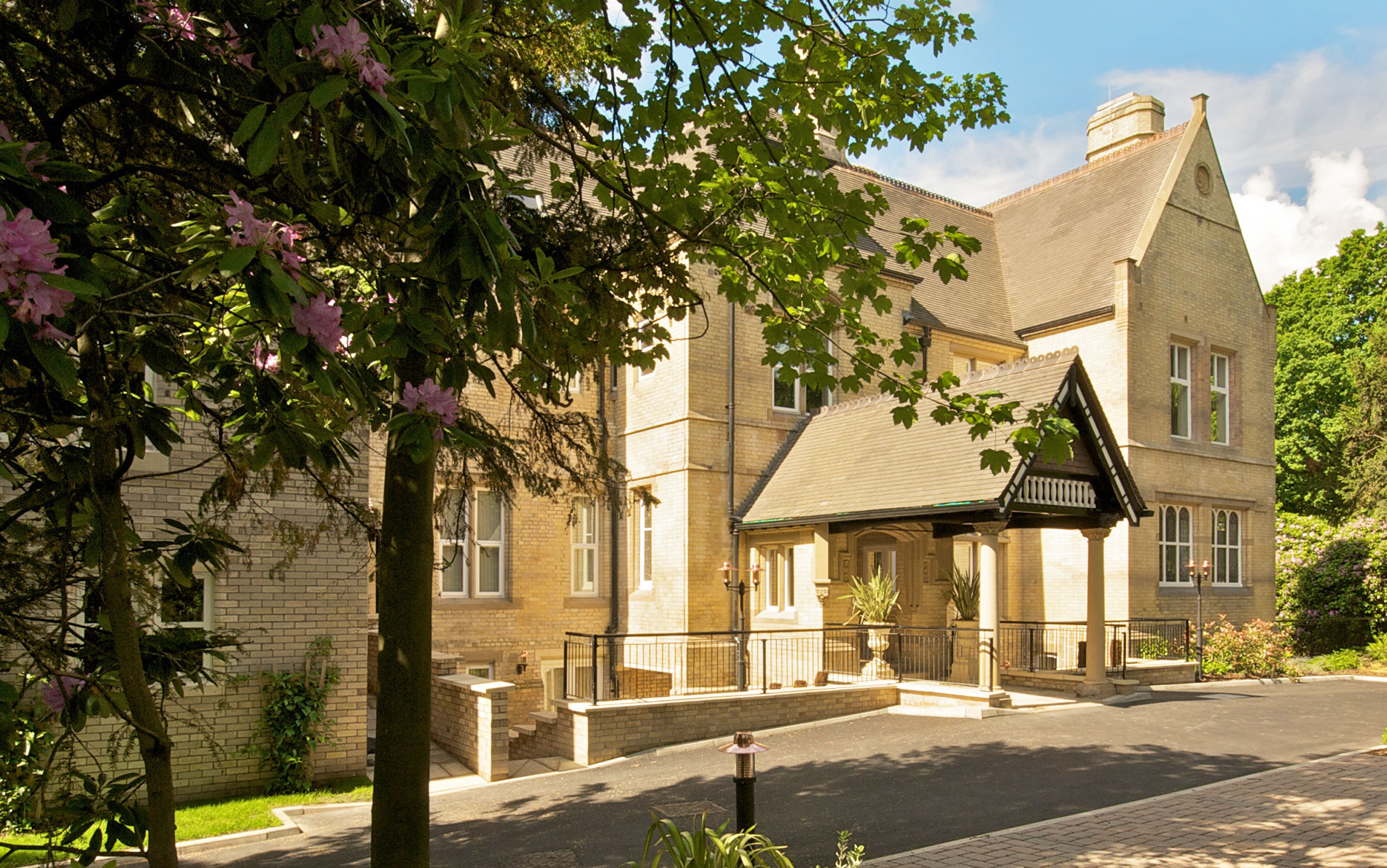
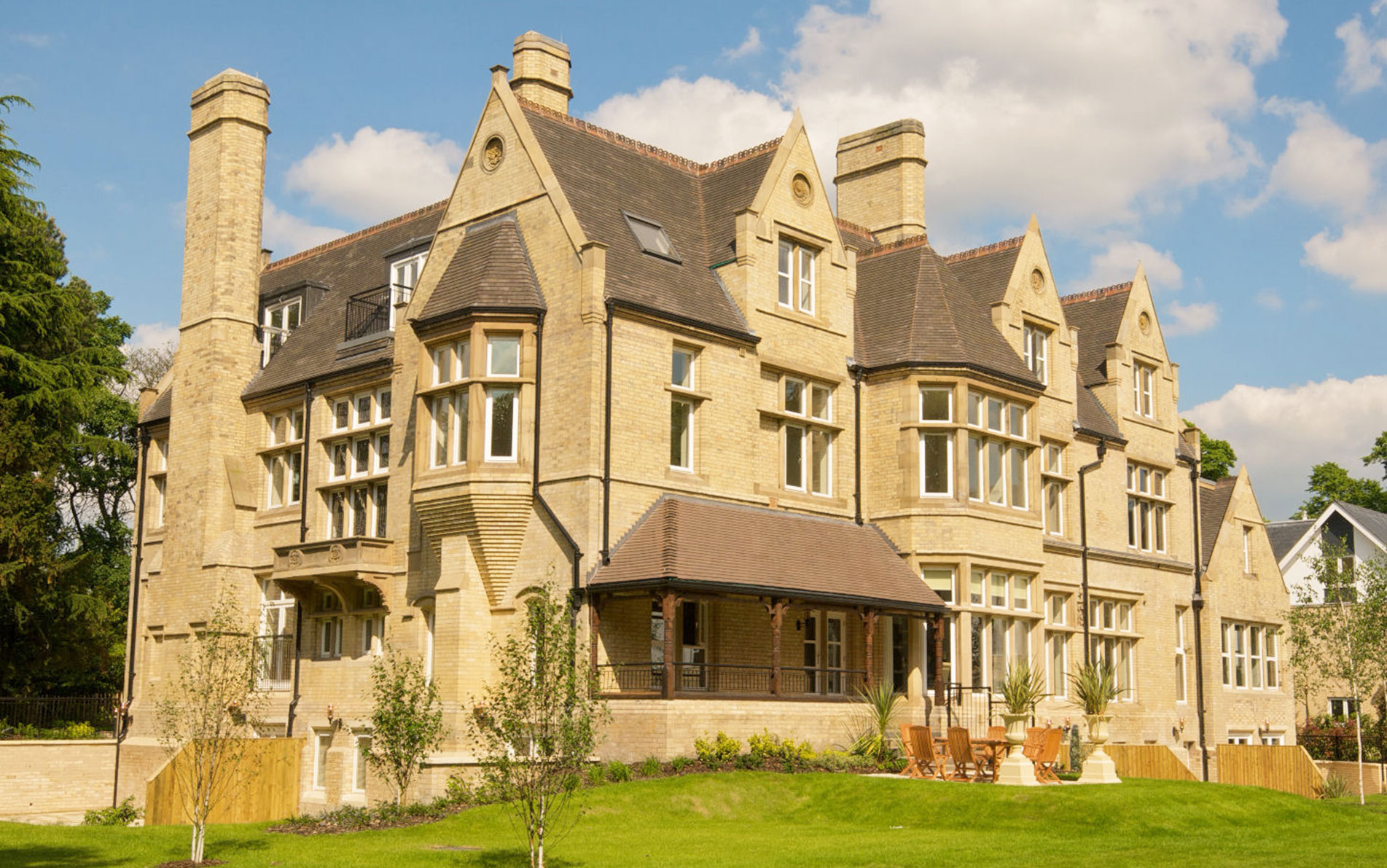
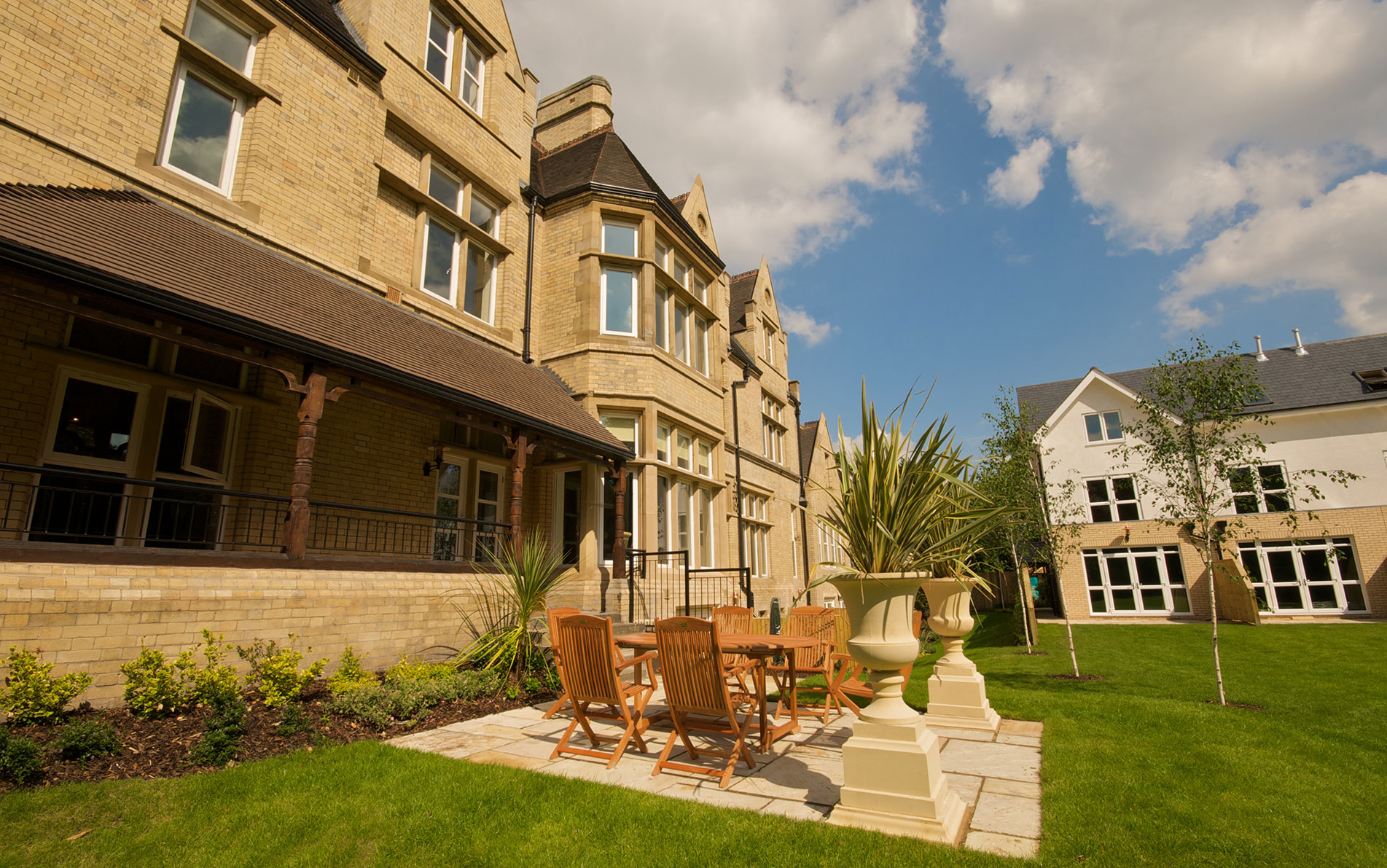
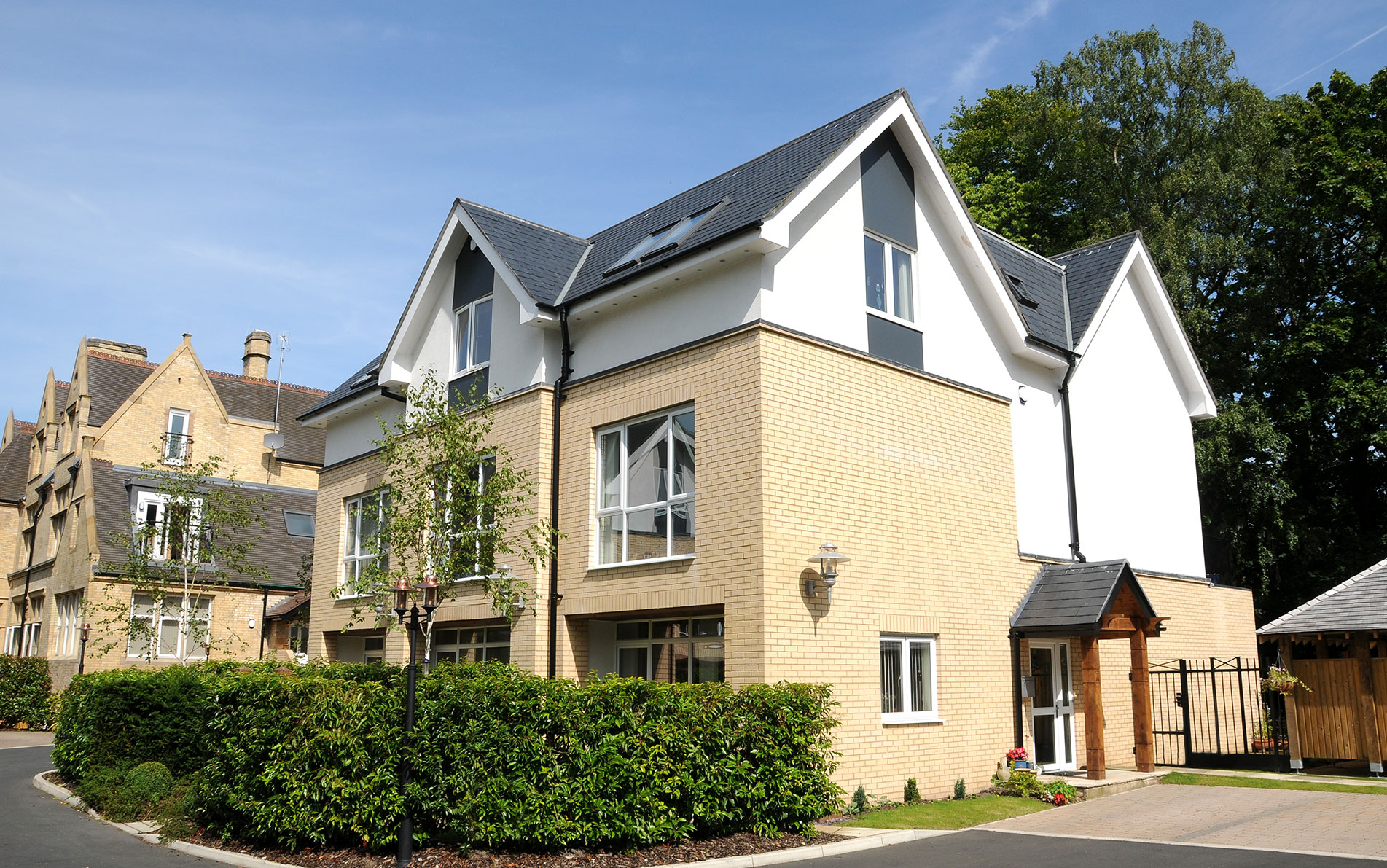
23 properties have been completed at ‘Bowdon Place’, including 3 new build houses.
The development has been commended by the local authority, with our approach praised as an example of how other developers should approach sites in the area.
Work has completed on site with all properties now sold.
by The P J Livesey Team | Oct 10, 2019
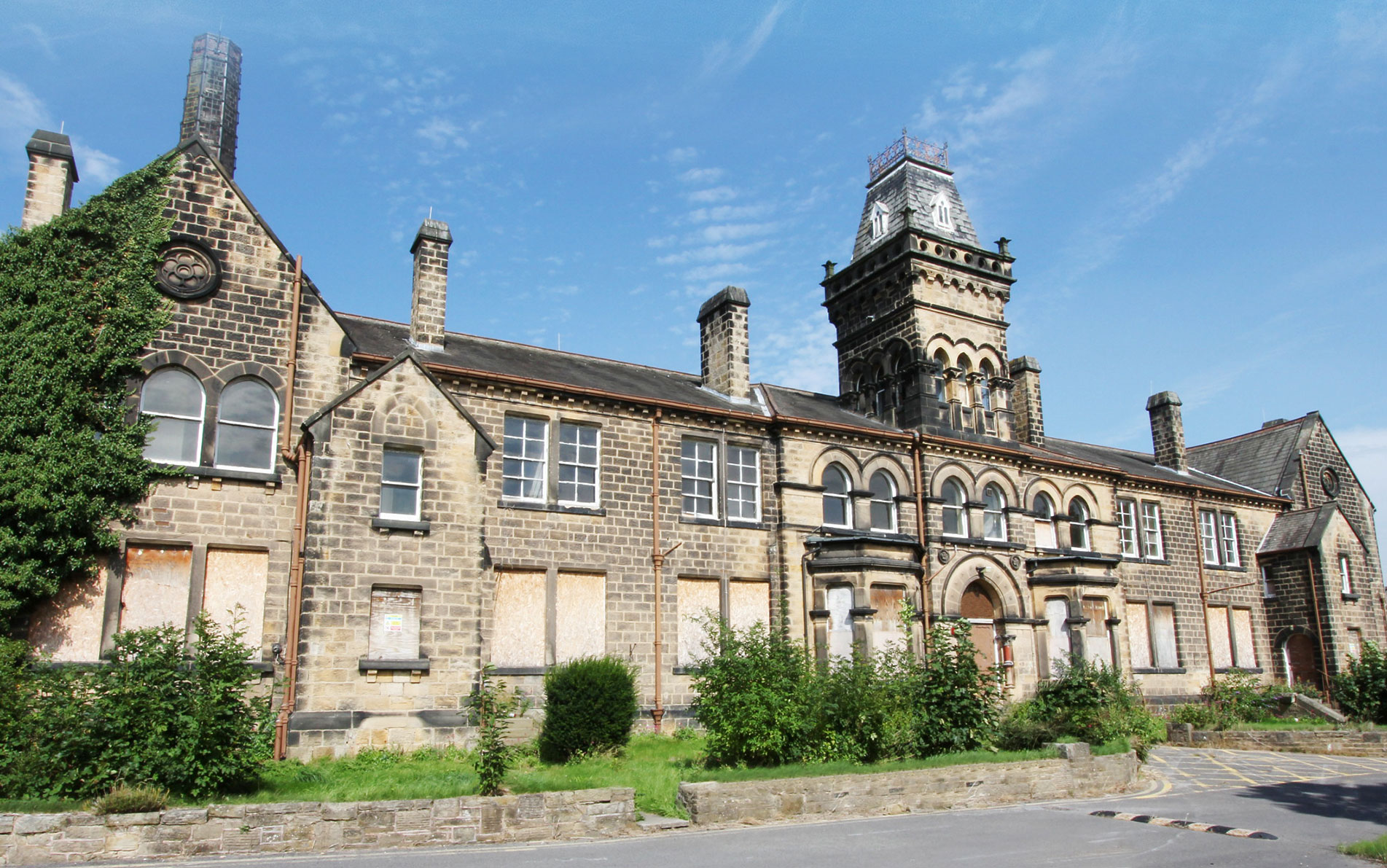
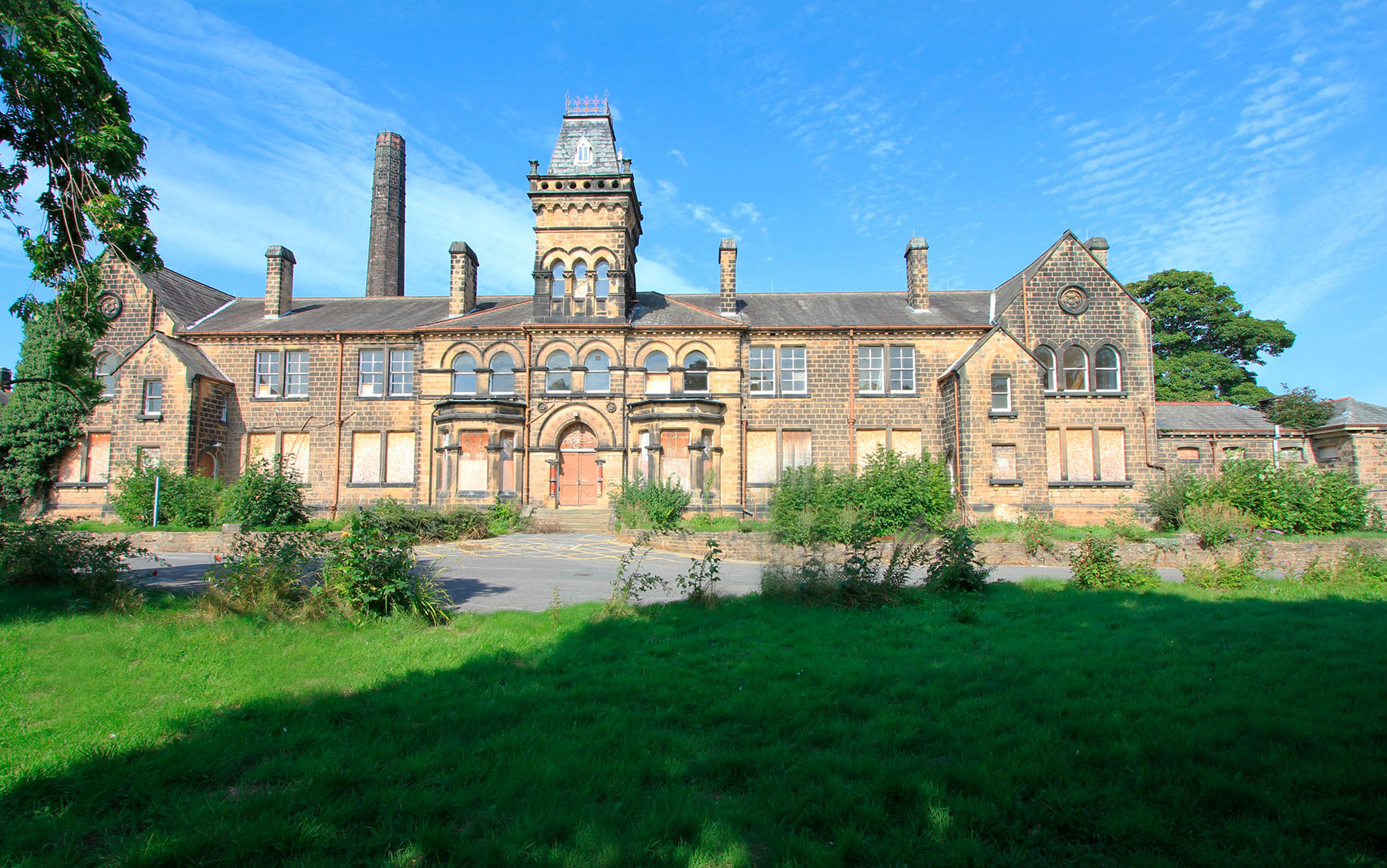
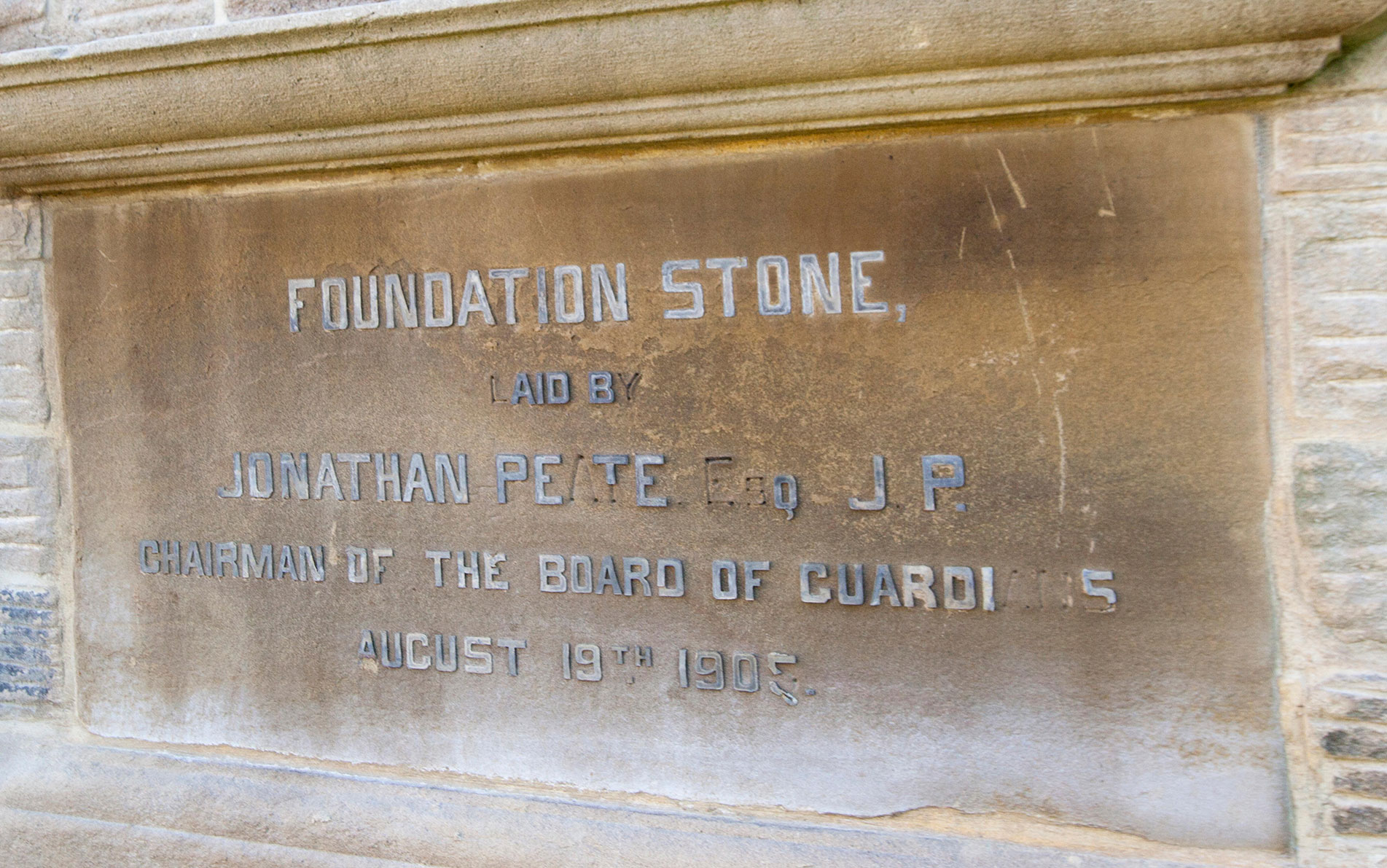
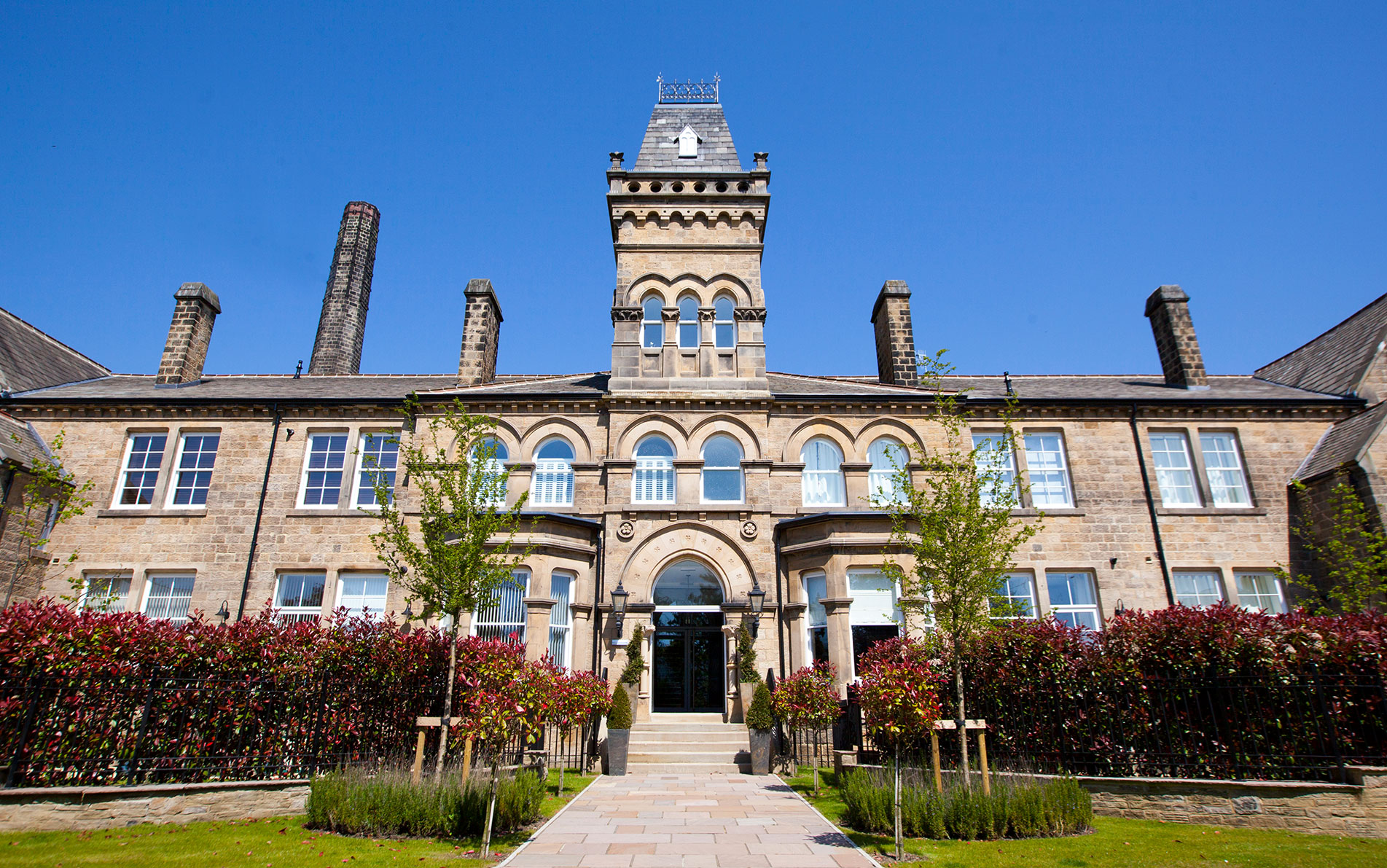
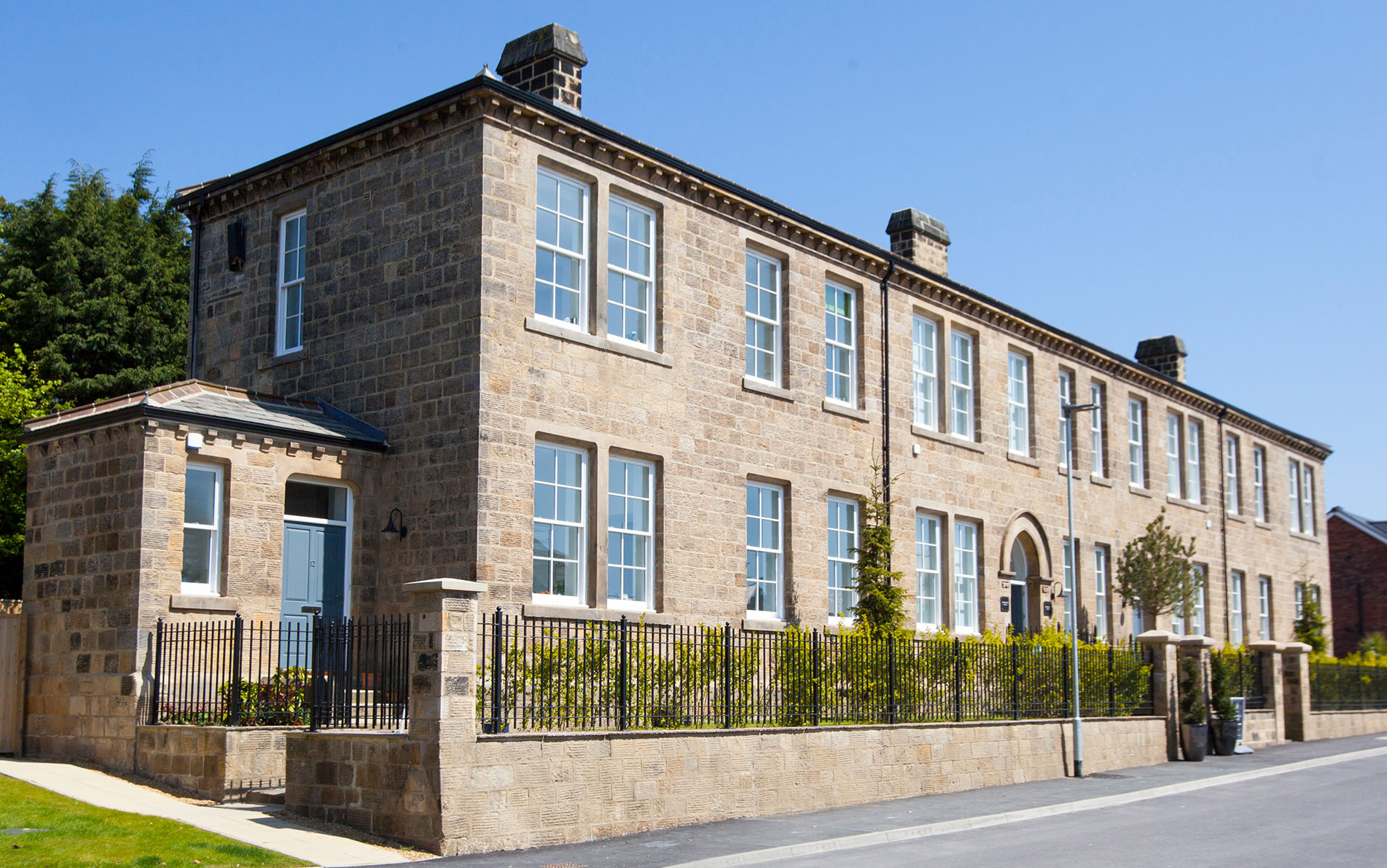
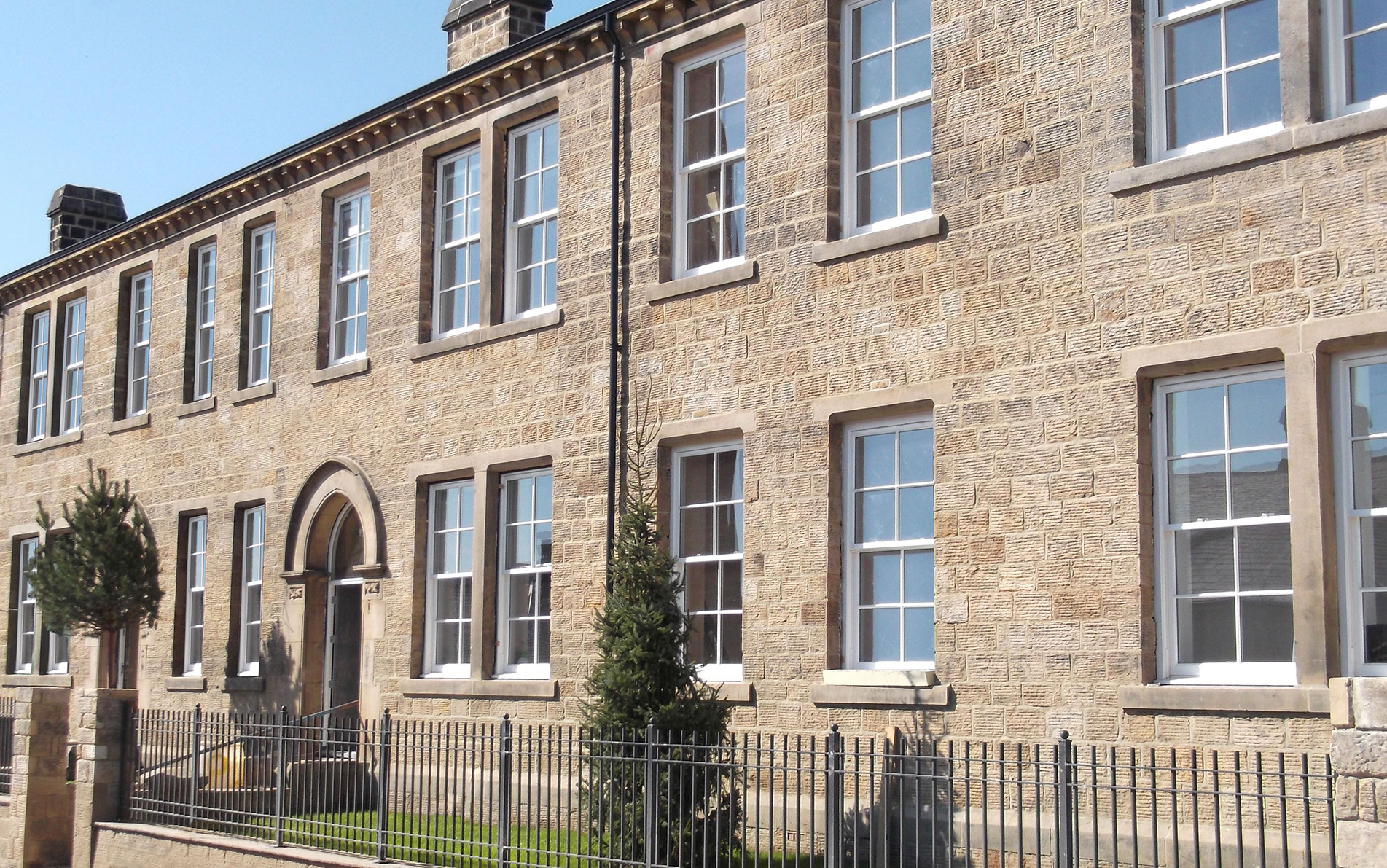
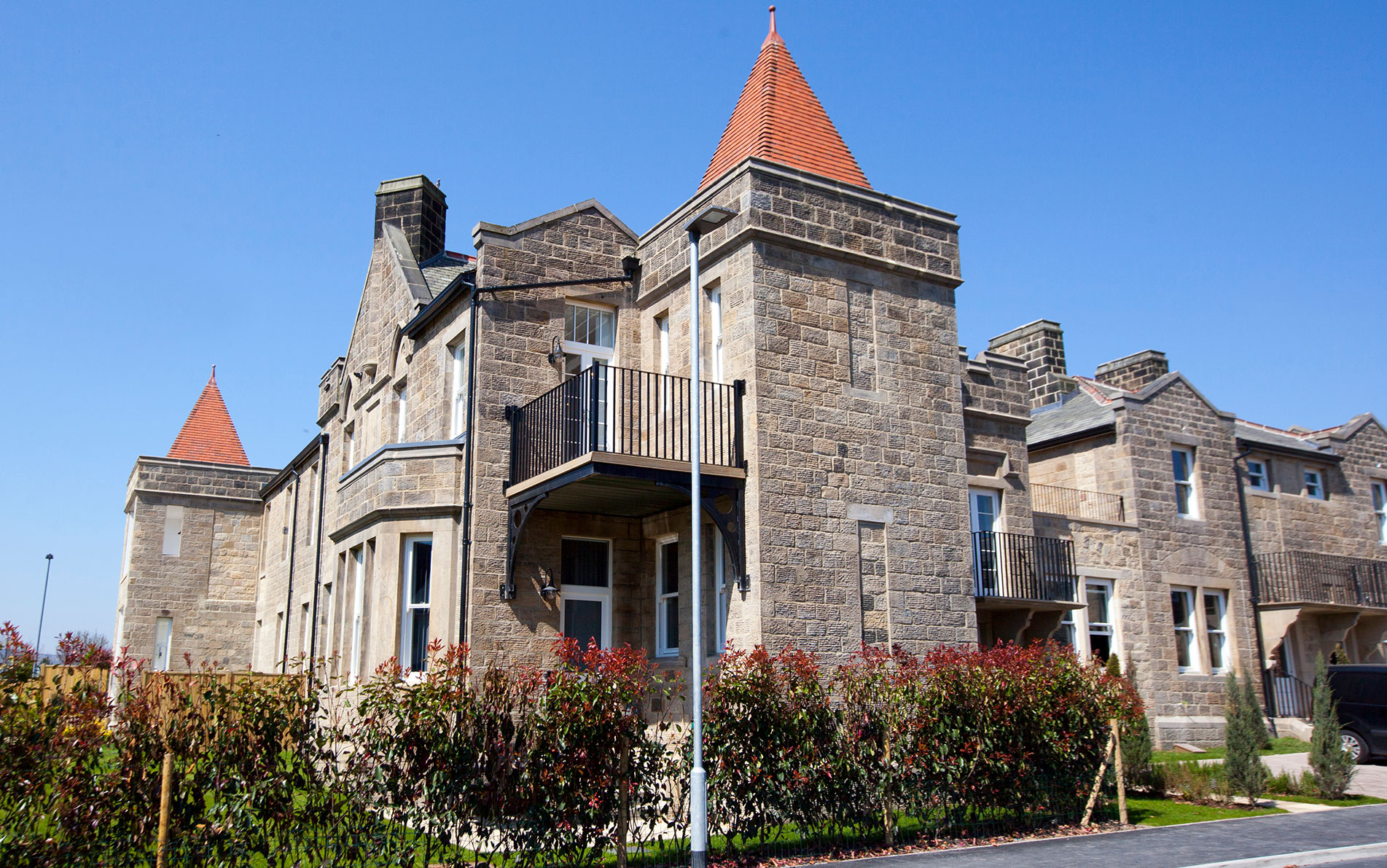
Typical of many Victorian hospitals, this range of listed buildings was replaced by the new Wharfedale Hospital in 2005 after 132 years of service in the town. The HCA acquired the site under the Hospital sites Programme and in 2012 selected the PJ Livesey Group as the preferred developer.
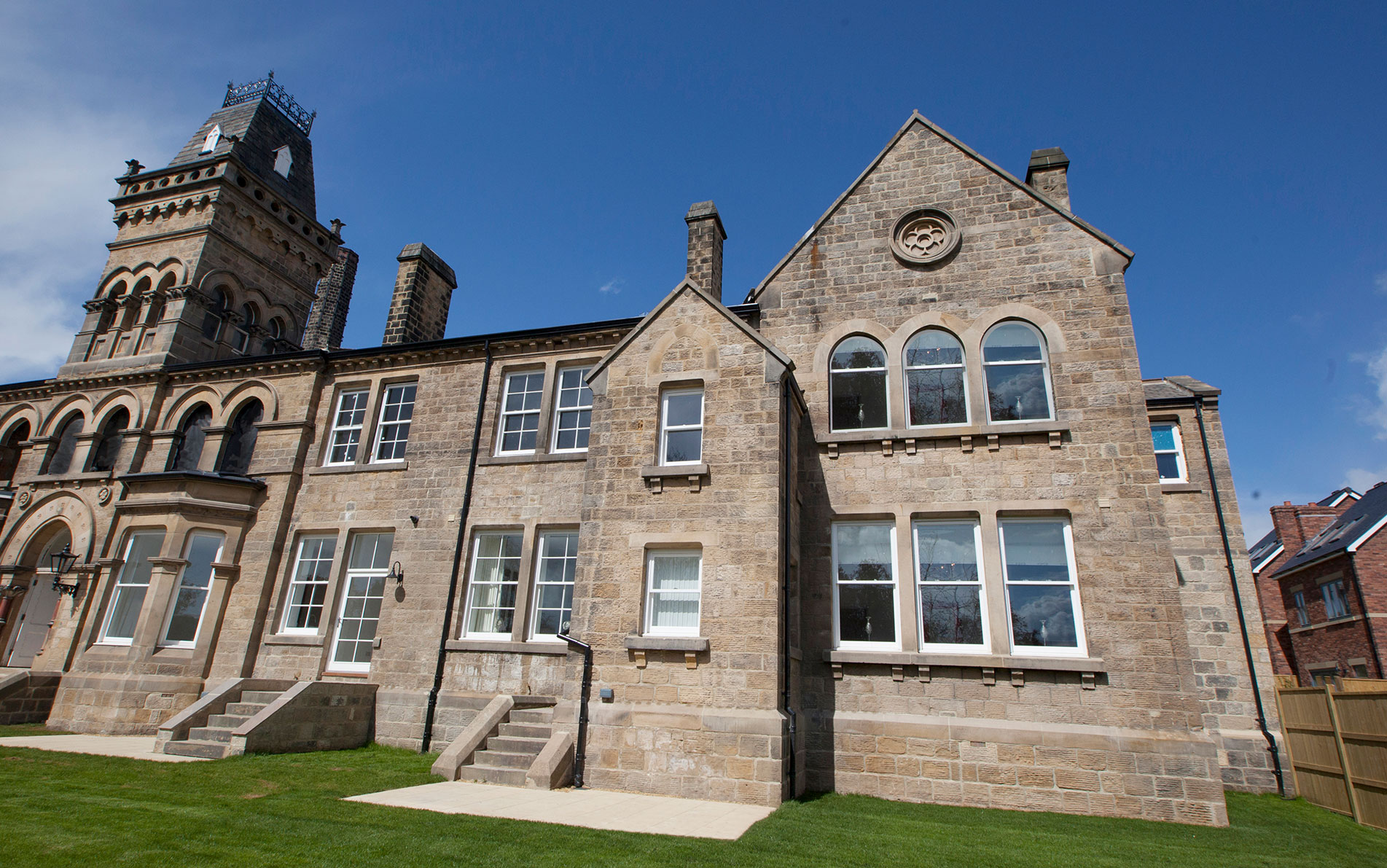
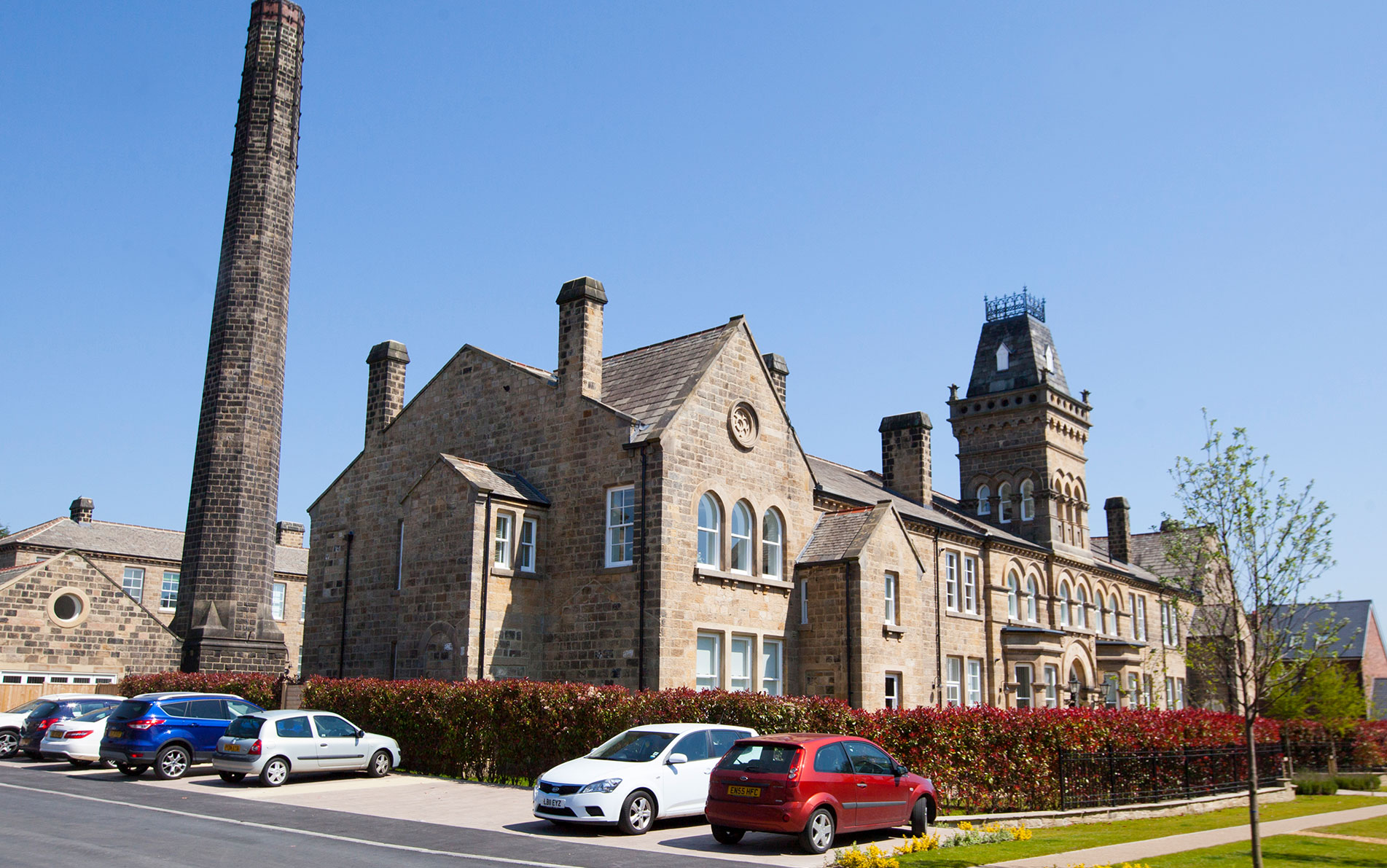
Although the site had an existing planning consent we refined this to deliver a lower density and higher quality scheme, achieving planning in late 2013. The development, now rebranded as Wharedale Park, comprises of 61 units in total with 37 refurbished properties within six existing listed buildings, along with a further 24 new build houses.
The final property was handed over in Autumn 2016 and the redevelopment has been a catalyst for regeneration in the town.
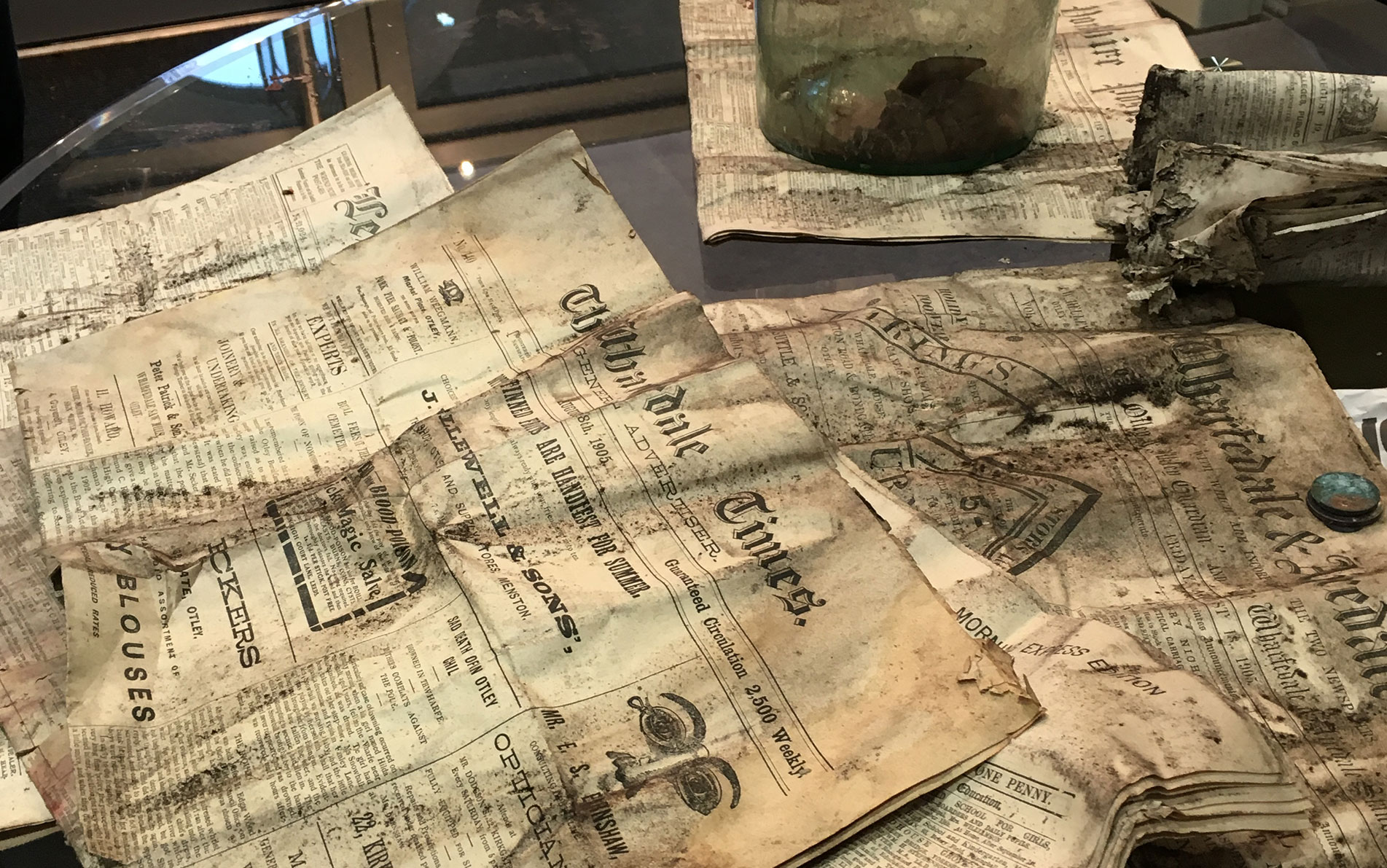
As documented in our News and Events section of this website, we discovered a time capsule which had been buried at the time of the buildings original opening. We opened the capsule and preserved the contents and with help from local schoolchildren re-filled and re-sealed the glass jar and it is now reburied on the site for future generations to discover.
To read more about this fascinating discovery click here.
Work has completed on site with all properties now sold.
by The P J Livesey Team | Jul 13, 2018
Needham Hall is situated on Palatine Road and measures approximately 1.35 hectares (3.33 acres) in size.
The site is home to a variety of buildings, all of which were vacant and last used as student halls of residence.
The western half of the site is occupied by Needham Hall itself and the large lawns which adjoin it.
The eastern half of the site was dominated by three 3 storey accommodation blocks, built in the 1960/70’s, tennis courts and a row of detached garages located along the boundary of the site with The Lodge adjacent to Marie Louise Gardens.
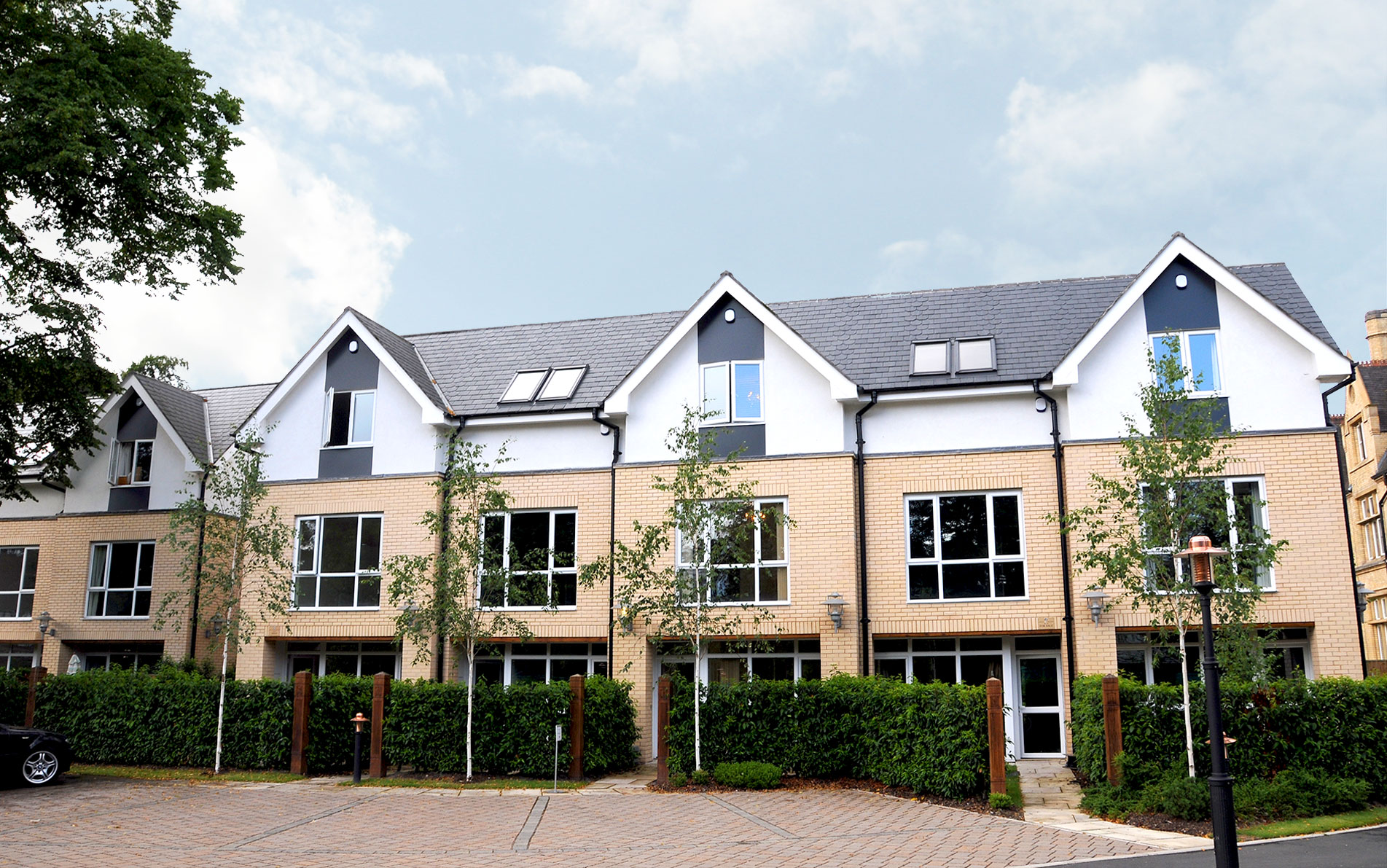
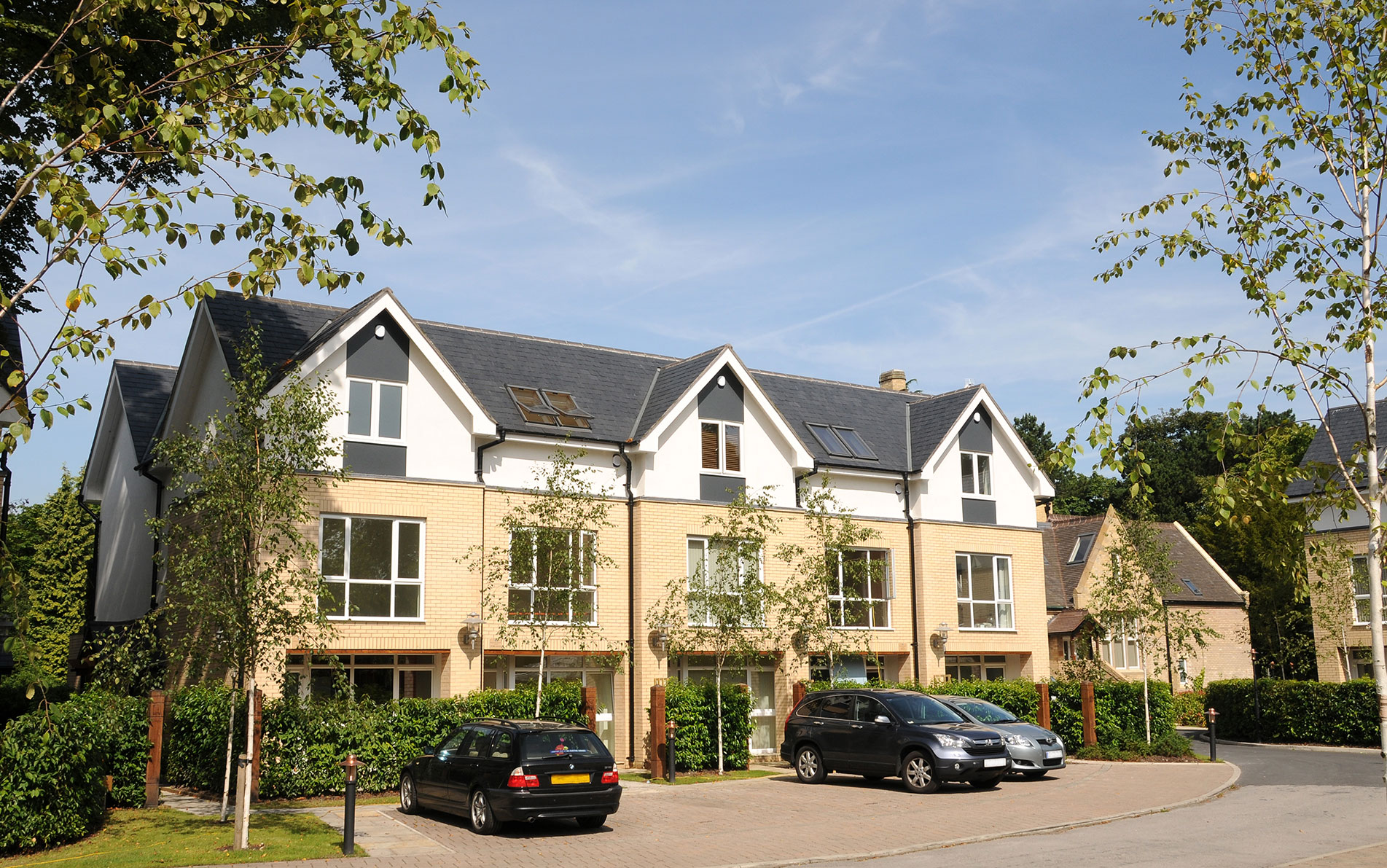
The P J Livesey Group sympathetically converted the main building into 11 propeties and built a collection of 38 executive homes on the grounds.
by The P J Livesey Team | Jul 13, 2018
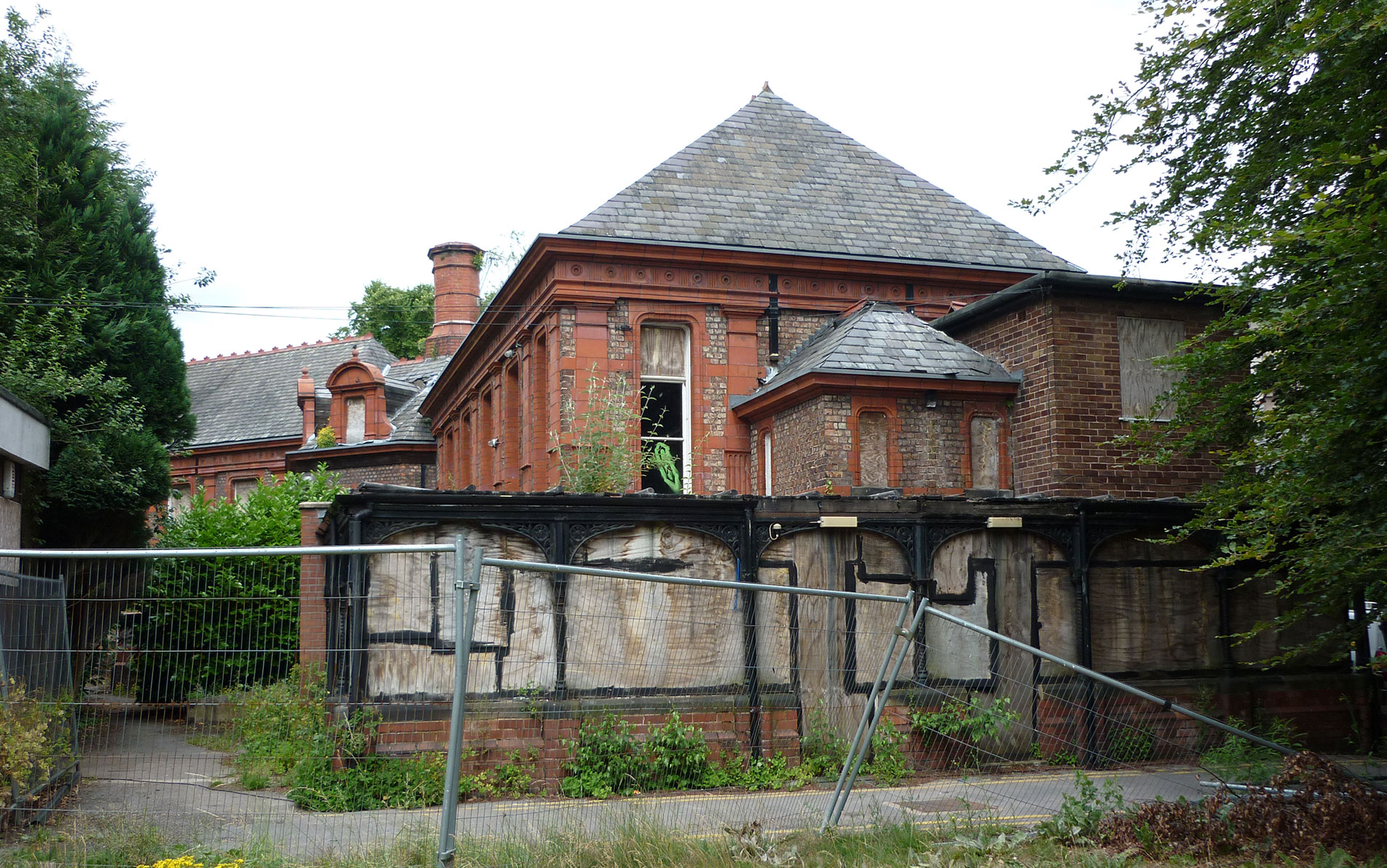
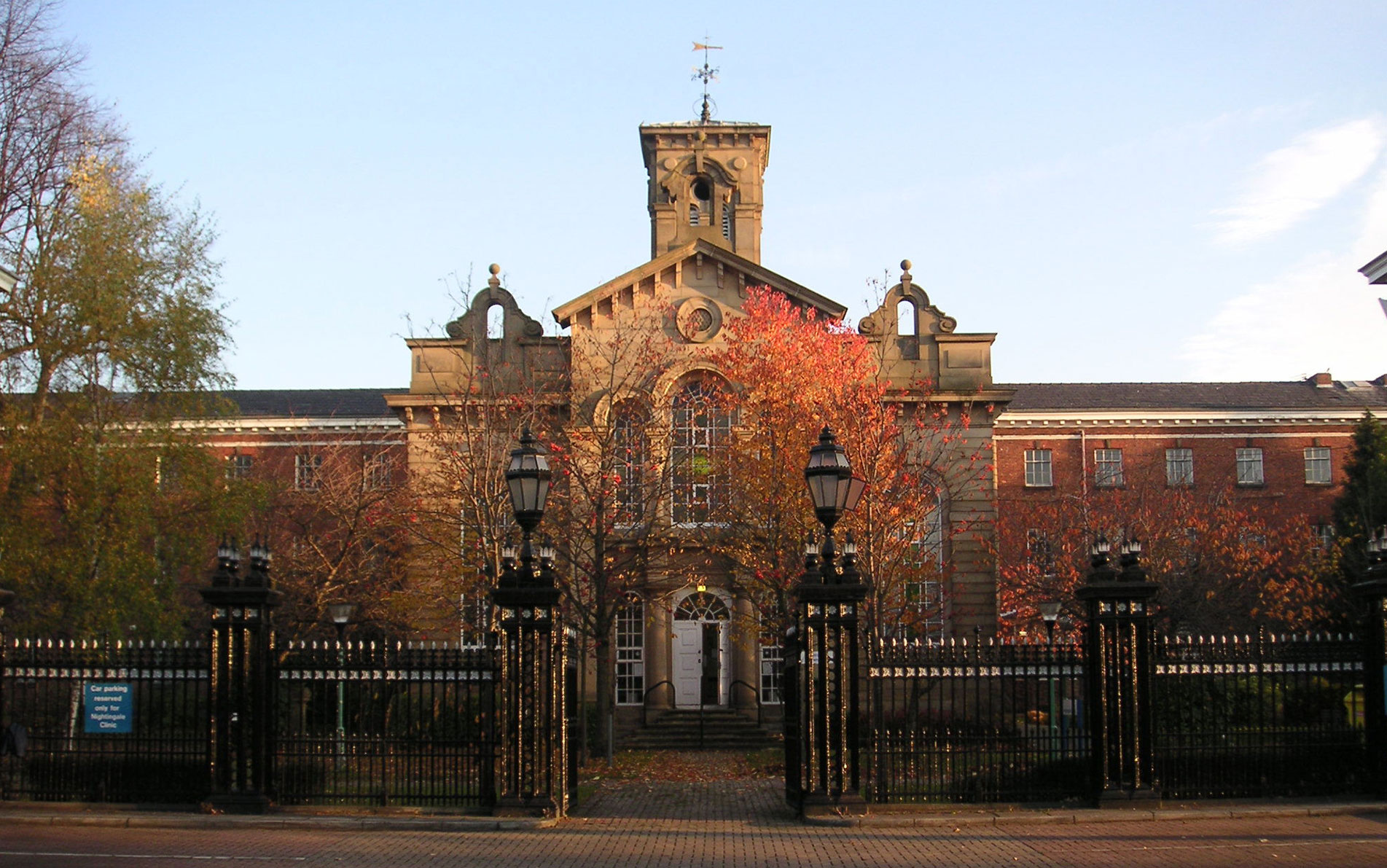
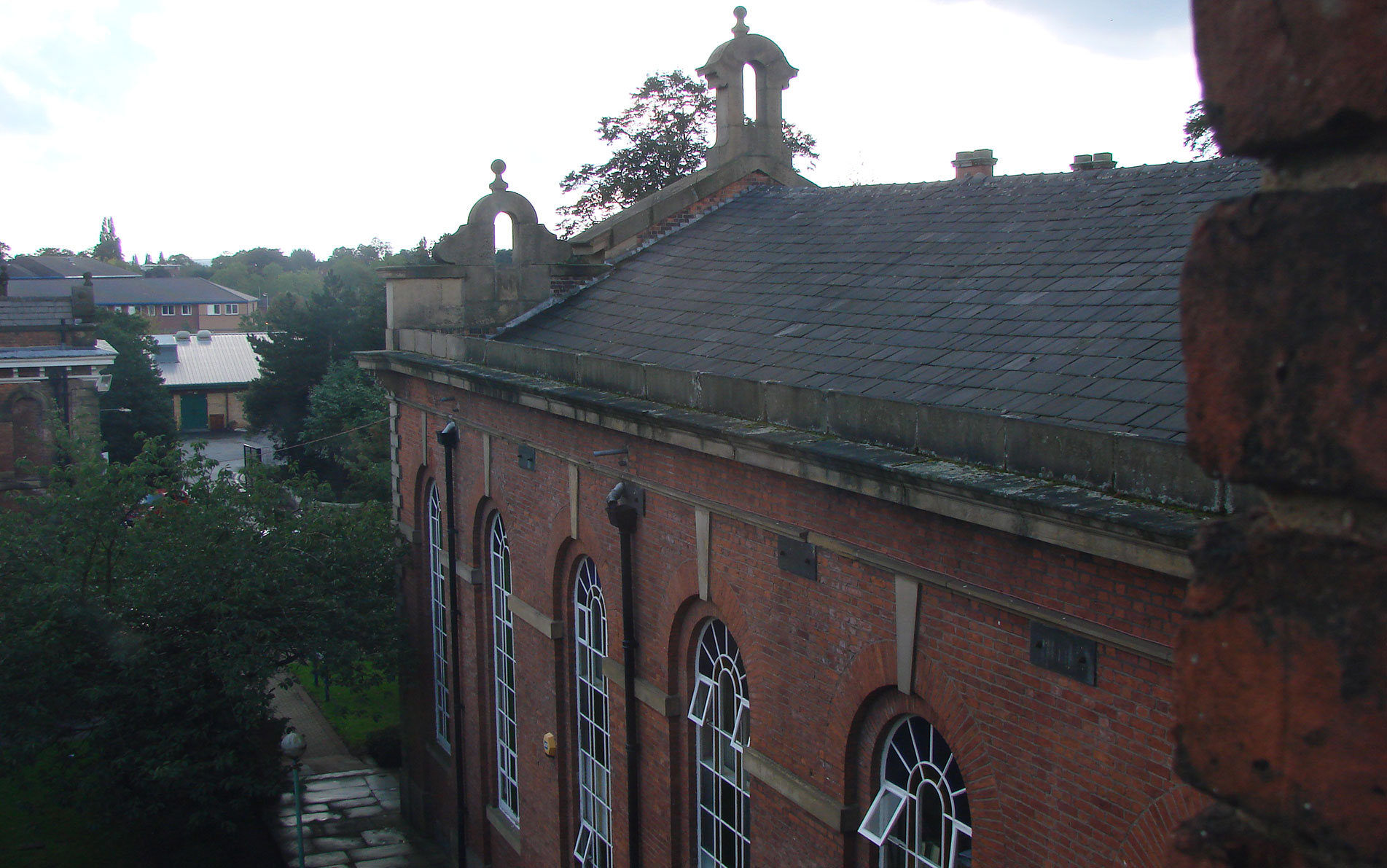
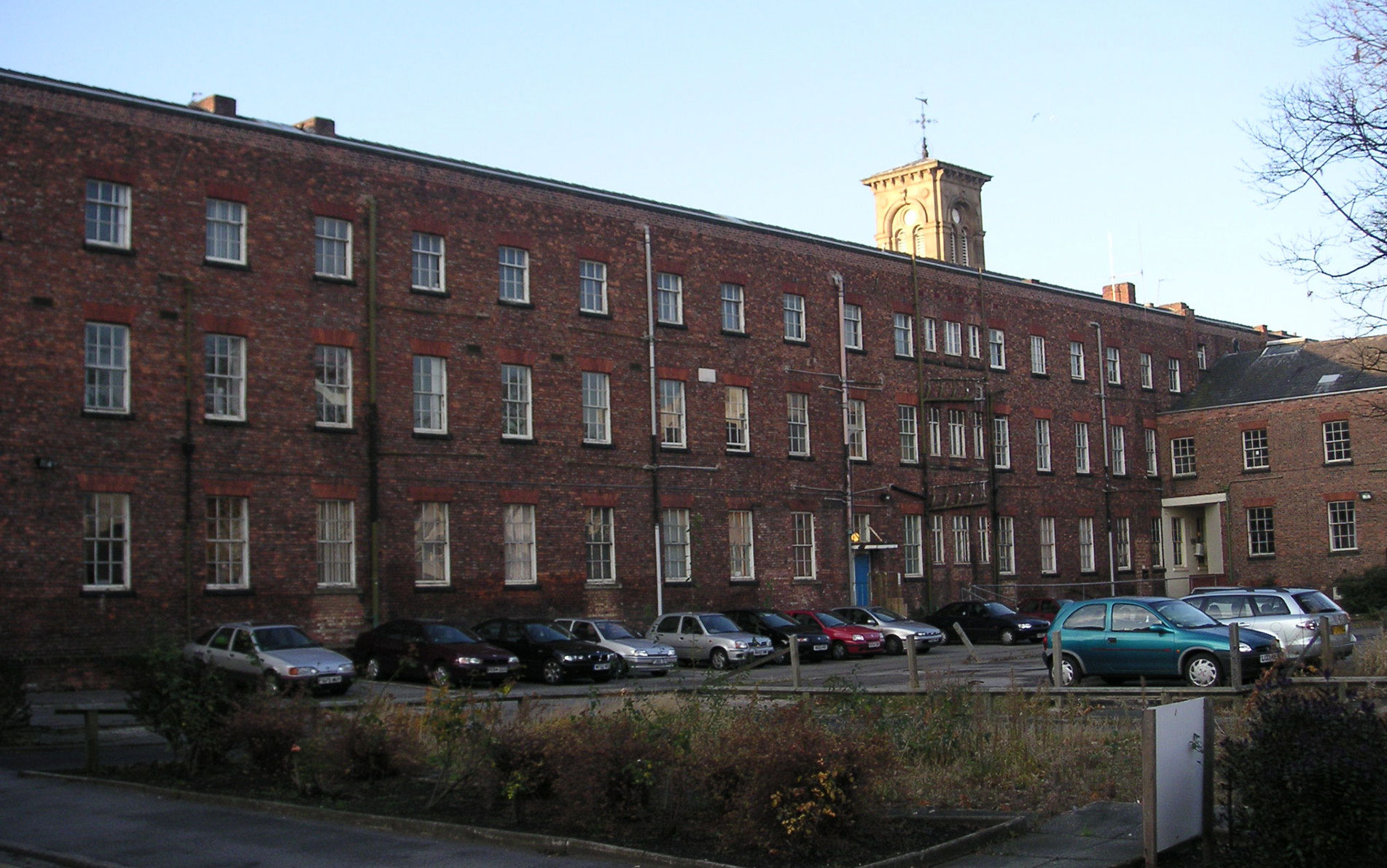
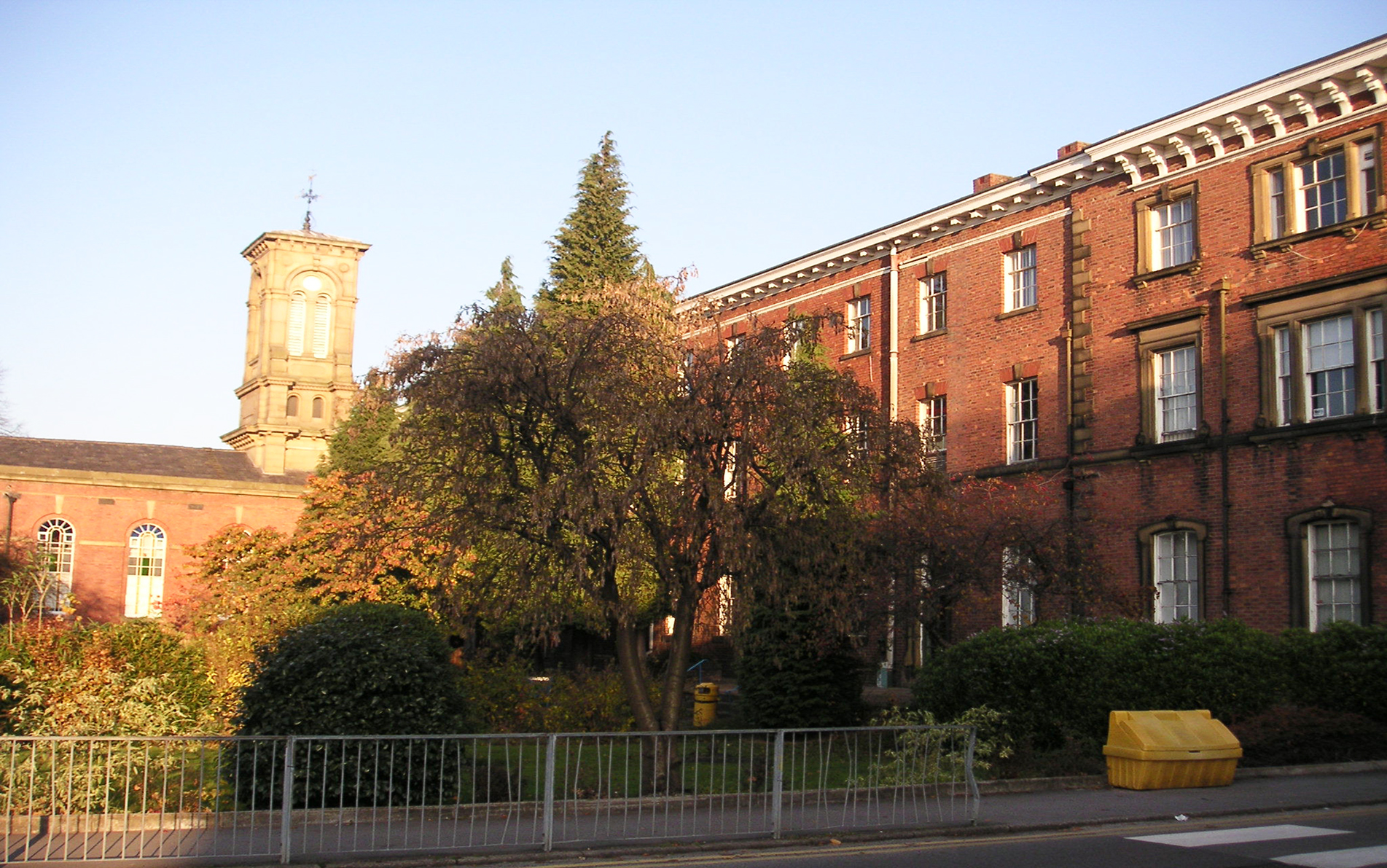
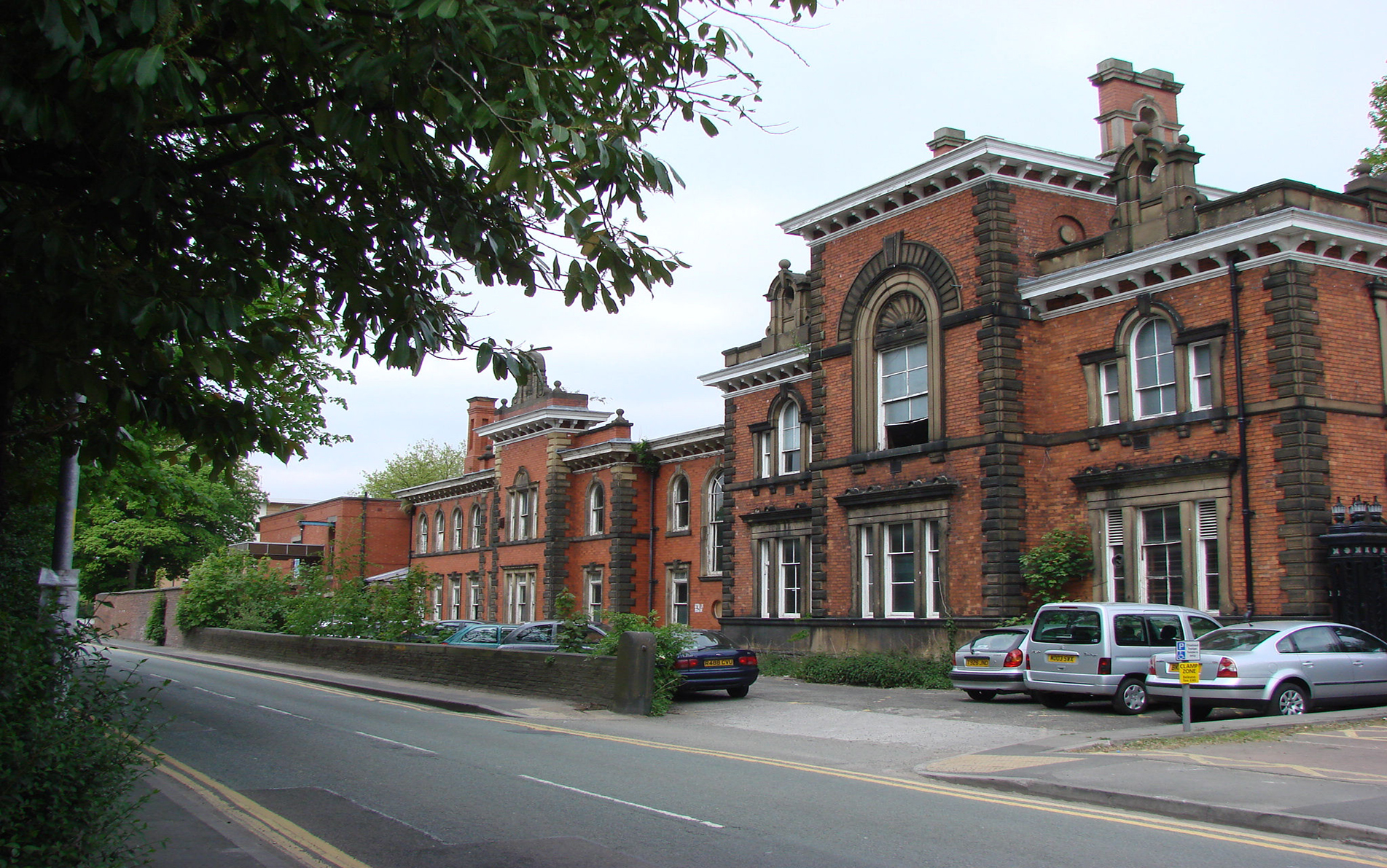
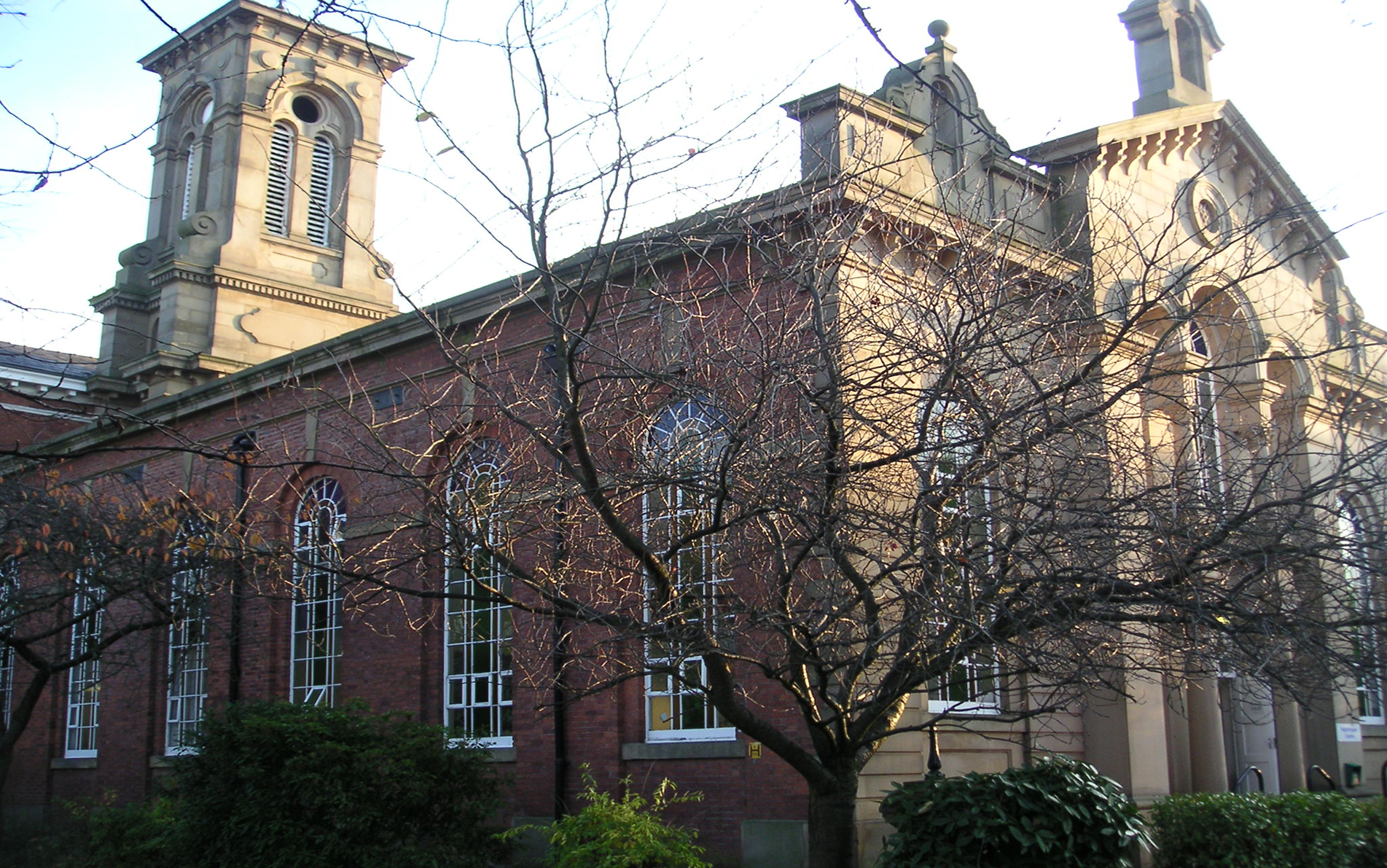
The exteriors of the buildings were originally built as a workhouse in the early to mid 1800’s.
The Withington Hospital site became available for potential redevelopment following a wider strategic rationalisation of healthcare provision in South Manchester.
As a result, much of the Withington site became increasingly surplus to requirements. The majority of the remaining hospital buildings within the main site were made redundant or underused and some had been demolished as services have transferred to other sites.
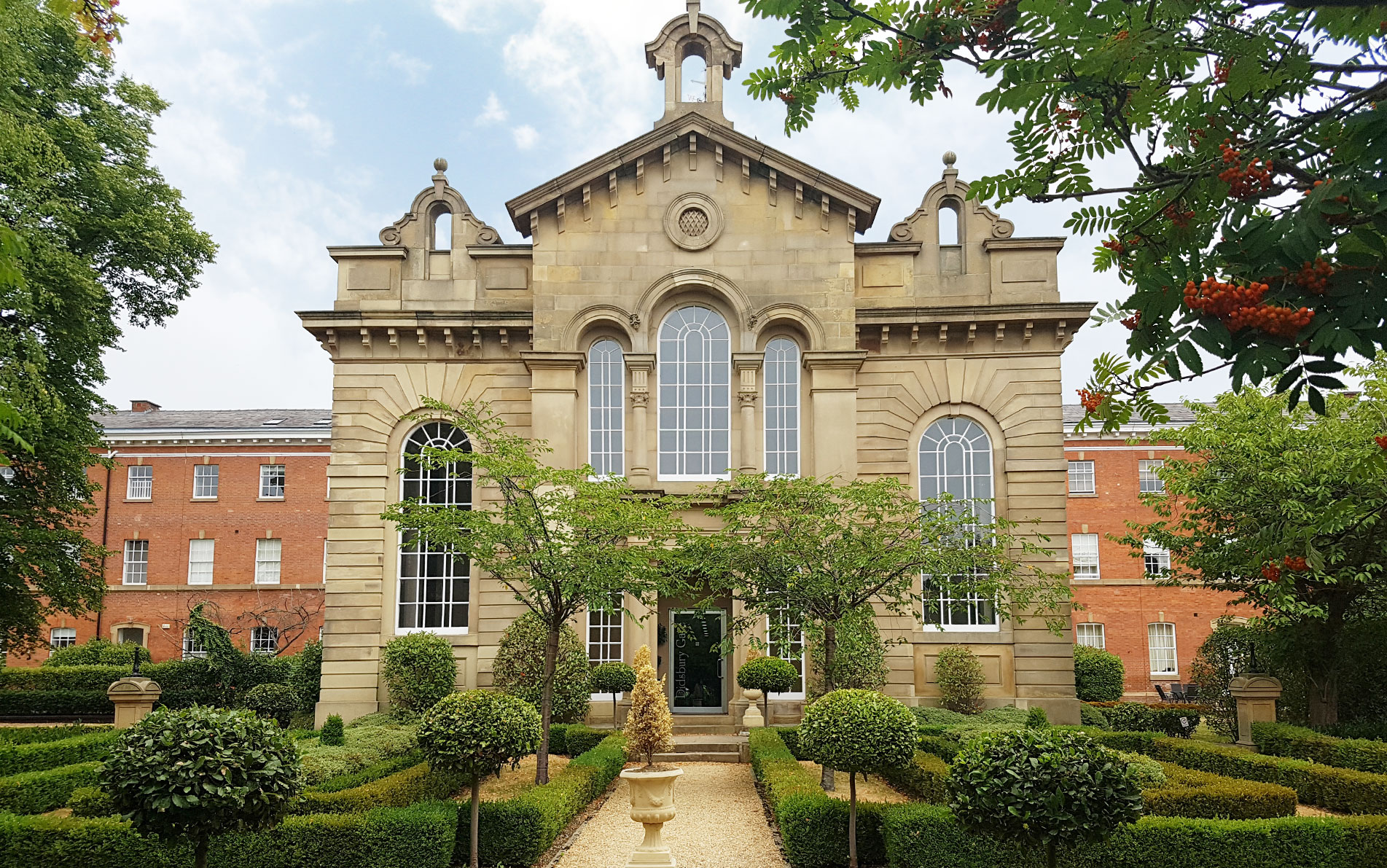
The site contained a number of buildings of which three are Listed Grade II as being of architectural or historic importance, together with a length of wall/railings and gates.
The P J Livesey Group began work transforming the main building into 99 beautifully converted properties, the two lodges into 14 properties and built 48 newly built homes on site adn the development is now known as Didsbury Gate